

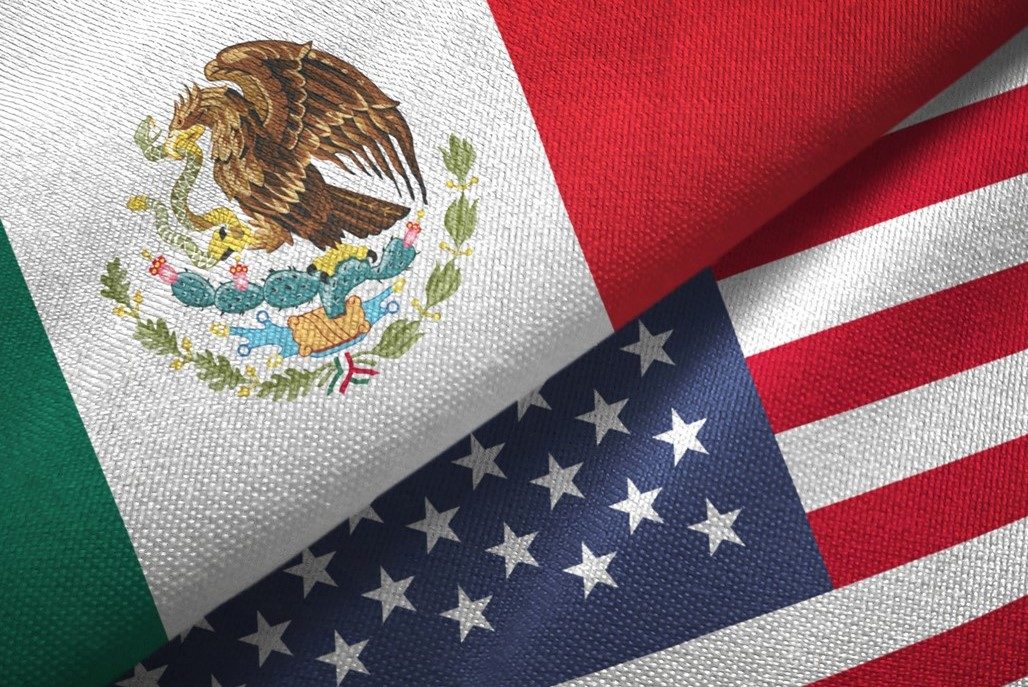
Mexican President Claudia Sheinbaum increased tariffs on textile and apparel imports through a presidential decree signed on December 19, 2024. The new regulation imposes additional levies of 15% or 35% on certain apparel categories and excludes many clothing products from the IMMEX program, which previously allowed duty-free imports of intermediate materials.
This step aims to protect Mexico's textile industry and reduce imports from China. It is also viewed as a strategy to prevent trade disputes with the United States. A loophole in existing trade law had allowed importers to use the Section 321 provision to leverage Mexico-based warehouses as distribution centers for shipping low-cost finished goods directly to U.S. consumers. The new regulations eliminate this practice.
Ryan Martin, president of distribution and logistics at ITS Logistics, stated that rising tariffs and the end of duty-free imports will force apparel brands to find alternative distribution solutions and may consider shifting their operations from Mexico to the United States.
The Mexican government aims to support the domestic textile sector through these measures and prevent unfair competition. Additionally, given the high tariffs the U.S. has imposed on products from China, Mexico seeks to curtail "border-skipping" practices—where goods destined for the U.S. market are routed through Mexico to circumvent those tariffs.
These developments are part of Mexico's efforts to reshape its trade relationships with the United States and China. In particular, the high tariffs the U.S. has applied to Chinese goods and President Donald Trump's threats to impose an additional 25% tariff on all products imported from Mexico and Canada have prompted Mexico to reassess its trade policies.
Mexico's new tariffs on textile imports, while primarily targeting goods from China, are also viewed as an effort to maintain balance in trade relations with the United States. These steps reflect Mexico's goals of protecting its own industries and creating a fairer competitive environment in international trade.
Key Points:
Mexico has imposed additional customs tariffs of 15% and 35% on textile and apparel imports.
Many clothing products have been excluded from the IMMEX program.
This step aims to protect Mexico's textile industry and reduce imports from China.
The new regulations also eliminate "border-skipping" practices targeting the U.S. market.
Apparel brands may evaluate alternative distribution solutions and options to shift operations to the United States.
Mexico is working to reshape its trade relationships with the United States and China.
President Donald Trump's threats of 25% additional tariffs prompted Mexico to reassess its trade policies.
Mexico is focused on protecting its own industries and creating a fair competitive environment in international trade.

