

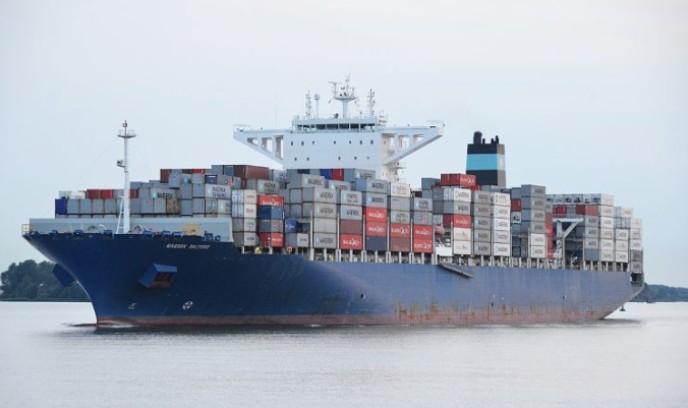
Details of the Incident
The container ship Maersk Saltoro departed from Chile's San Antonio port on December 27, 2024, bound for China. The vessel was carrying over 1,300 containers of cherries intended to reach the Chinese market ahead of the Chinese New Year. However, on January 13, 2025, a main engine failure near Micronesia left the ship drifting at sea for 23 days.
Impact of the Delay:
The ship arrived at China's Nansha port on February 17, 2025, which was 28 days behind schedule. Chinese authorities inspected the cherry containers aboard the vessel and found a high degree of decay. This raised the possibility that the cherries, valued at between 100 and 150 million U.S. dollars, would need to be destroyed, resulting in significant losses for Chilean exporters.
Similar Cases:
Ever Given Case (2021): This ship, which blocked the Suez Canal for six days, caused millions of dollars in costs and a General Average was declared.
MSC Flaminia Case (2012): A fire broke out aboard the vessel, leading to the loss of many containers and causing severe damage.
The General Average Concept:
An important principle in maritime law, General Average provides for the costs of extraordinary and intentional sacrifices made to save the ship and cargo to be shared proportionally by all cargo owners. In the Maersk Saltoro case, General Average was not declared because the ship and cargo were not in danger. However, in a more serious situation, all cargo owners would have been required to contribute financially to salvage costs.
Lessons and Recommendations:
Insurance: Exporters should protect their goods with appropriate insurance against the risks inherent in maritime transportation.
Market and Route Diversification: To reduce the impact of unforeseen events, exporters should diversify their markets and shipping routes.
Risk Management: Effective risk management strategies should be developed to reduce vulnerabilities in the logistics chain.
In Summary...
The Maersk Saltoro case has once again demonstrated the seriousness of risks encountered in maritime transportation and the importance of measures that must be taken against these risks. Exporters, insurers, and logistics providers should learn from such events and develop the necessary strategies to minimize the effects of similar situations in the future.
Key Points:
The Maersk Saltoro vessel drifted at sea for 23 days due to a main engine failure while transporting cherries from Chile to China.
Due to the delay, a large portion of the cherries rotted, resulting in losses estimated between 100 and 150 million U.S. dollars.
The General Average principle regulates cost-sharing in maritime transportation during extraordinary circumstances; it was not applied in this case.
Appropriate insurance, market and route diversification, and effective risk management strategies are important for exporters.
We would be delighted to receive your feedback.
We wish you happy reading in advance.

