

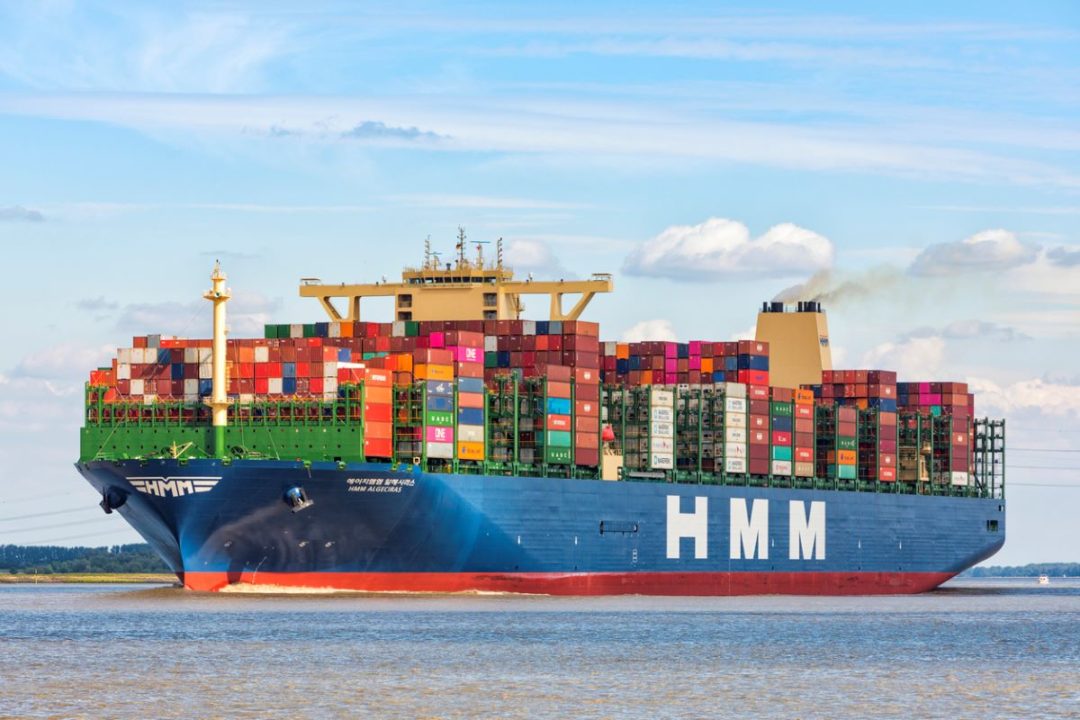
Despite serious overcapacity and the resulting threat of falling freight rates, the world's leading container lines show no signs of losing interest in large new vessels. According to Alphaliner senior analyst Jan Tiedemann, the number of container ships on order represents approximately 7 million twenty-foot equivalent units (TEU)—roughly a quarter of current global fleet capacity.
\nWhile uncertainty remains over whether markets can absorb the new capacity without significant downward pressure, Tiedemann argues that new ships may have less impact than expected. Long delivery timelines for new vessels and the need to scrap some existing large container ships to make room for new ones suggest that new shipbuilding may prove "less dramatic" than feared. Moreover, container lines' efforts to reduce fuel and operating costs by slowing their ships require additional capacity to maintain service schedules. Finally, carriers dealing with ongoing geopolitical and economic crises may tend to acquire some excess capacity to draw upon during downturns.
\nKey Points
\n- \n
Container lines worldwide are ordering new ships equivalent to approximately a quarter of the current fleet's capacity.
\n Although new vessels will deliver significant capacity gains, factors such as lengthy delivery timelines and scrapping of older ships mitigate this impact.
\n Efforts to reduce fuel and operating costs lead to greater ship requirements.
\n Carriers prefer to maintain some excess capacity for use during crises.
\n Disruptions such as the Red Sea crisis require ships to use longer routes, necessitating additional capacity.
\n

