

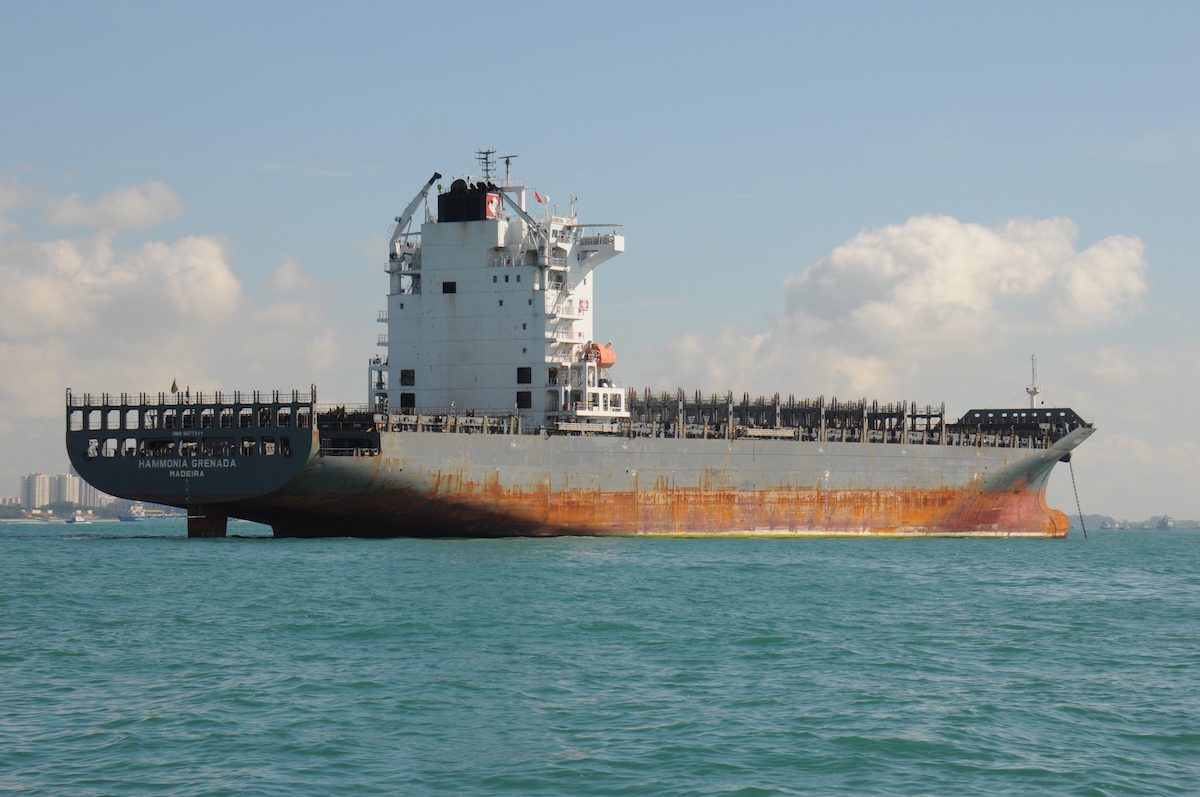
The global container fleet faces the most severe recycling backlog of recent years.
According to the latest analysis by BIMCO, at least 500 vessels and a total capacity of 1.8 million TEU remain in active commercial service despite having long exceeded recycling age.
This situation is raising the fleet's average age while signaling a major accumulation in renewal and demolition processes in the coming years.
Recycling Activities in Decline Since 2021
As of 2025, only 10 container vessels have been recycled. This figure reflects the continuation of low scrapping pace that has persisted since 2021.
The proportion of vessels aged 20 and above has risen from 16 percent at the start of 2020 to 24 percent, reaching the highest level since the early 1970s.
BIMCO Chief Analyst Niels Rasmussen summarizes the situation as follows:
"Based on average recycling trends from 2000–2019, the current minimum recycling overhang is around 500 vessels and 1.8 million TEU. That period represented a balance between low recycling in strong markets and increased demolition in weak markets."
According to the data, during the 2000–2019 period:
20 percent of vessels were recycled before reaching age 20,
while 53 percent were recycled before reaching age 25.
Today's figures show this trend has reversed.
The Actual Recycling Overhang May Be Even Larger
According to BIMCO's analysis, the true recycling overhang could be significantly higher than stated. If based on the weak market conditions of the 2010s, the total recycling potential could reach as high as 850 vessels and 3.1 million TEU.
Three fundamental dynamics drive this increase:
High volume in new orders (order book),
Potential route changes via the Suez Canal,
New efficiency and emissions regulations (such as EEXI and CII standards).
These factors could accelerate the withdrawal of older vessels from the market.
Recycling Backlog: A Cleanup That Will Take Years
Clearing the current recycling backlog entirely will take years.
Historically, 2016 was the peak recycling year:
That year 185 vessels and 0.6 million TEU of capacity were scrapped.
Using this as a benchmark, clearing the current surplus of 1.8 million TEU could take at least three to four years.
According to BIMCO, during this process smaller-tonnage vessels (below 8,000 TEU) will be disproportionately affected, as cascading will accelerate as new large-tonnage vessels enter service.
Alphaliner: Market Not Yet Supporting Scrap Prices
Alphaliner, in an assessment parallel to BIMCO's analysis, noted that the decline in freight rates has not yet reached a level that would stimulate the recycling market.
While profit margins are shrinking, many shipowners prefer to continue operating older vessels.
Increased scrapping is only expected when freight revenues fall sufficiently to threaten profitability.
Fleet Dynamics: Aging Vessels, Growing Megaships
According to Rasmussen, the current situation signals a shift in fleet composition direction:
"The recycling overhang equals 6–10 percent of the existing fleet. This figure corresponds to 33–55 percent of vessels over 20 years old. Notably, this overhang is larger than the entire order book for all vessel segments below 8,000 TEU."
This indicates that in the future, large-tonnage vessels will dominate fleet growth, while smaller-tonnage vessels will be relegated to secondary routes.
As a result, the global container shipping fleet will increasingly consist of larger and technologically advanced vessels.
Conclusion: Container Shipping at a New Turning Point
The global container fleet stands today at a transformation threshold due to both its aging vessel inventory and low recycling rates.
Declining freight rates and energy efficiency regulations will shorten the economic life of older vessels, potentially triggering a sharp increase in recycling activity during 2026–2028.
In the near term, however, carriers' preference for operating older vessels longer to balance costs in a low-freight environment is delaying the recycling process.
Nevertheless, according to BIMCO's warning, today's 1.8 million TEU recycling overhang presents an alarming picture regarding the sustainability of global fleet growth.
Key Takeaways:
BIMCO has identified at least 500 vessels and 1.8 million TEU of recycling overhang in the global container fleet.
Recycling rates are at the lowest levels since 2021; only 10 vessels were scrapped in 2025.
The proportion of vessels aged 20 and above has reached 24 percent — the highest level since the 1970s.
Potential maximum overhang: 850 vessels and 3.1 million TEU.
The recycling backlog is larger than the entire current order book for small-tonnage vessels.
Alphaliner predicts scrapping will accelerate if low freight rates become permanent.
Industry experts expect the sector to enter a fleet renewal and transformation cycle during 2026–2028.
This situation is bringing sustainable fleet management and carbon efficiency back to the forefront in global shipping.
We would be delighted to receive your feedback.
Wishing you happy reading.

