

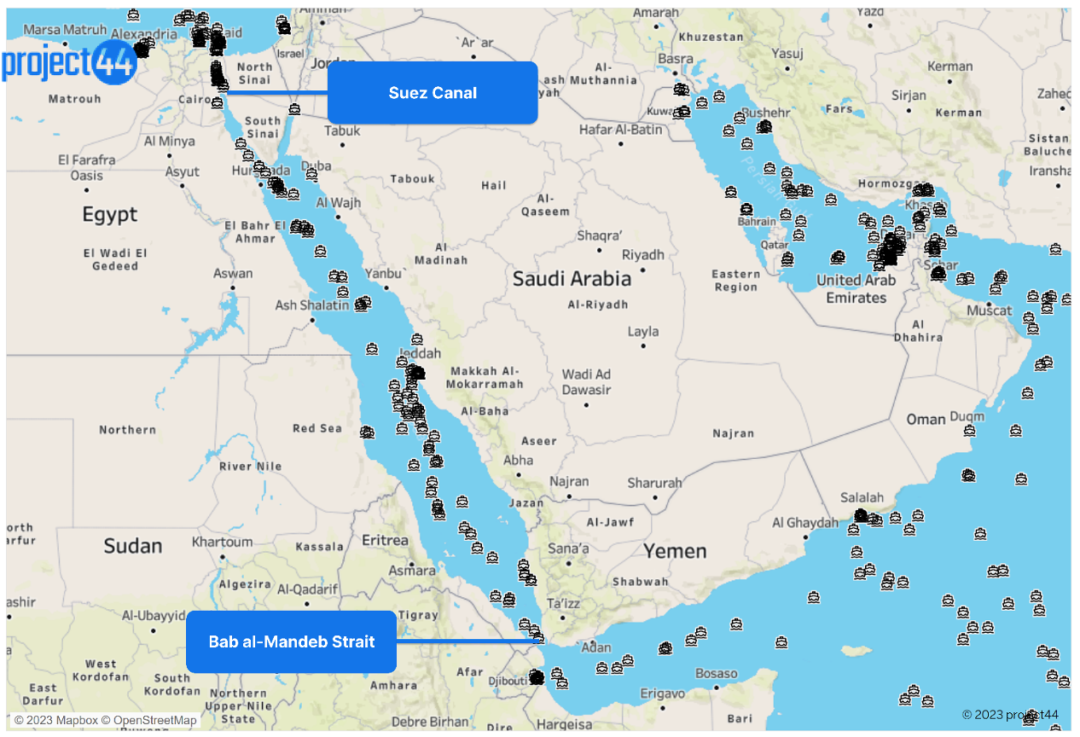
The Red Sea trade route carries more than 50 percent of weekly container shipping capacity between the Far East and Europe. However, major shipping companies such as MSC and CMA CGM are diverting their routes due to conflicts surrounding the Suez Canal. This situation is creating increased costs and delays in global trade flows.
\nIn particular, missiles fired from the Bab el-Mandeb Strait near the Red Sea pose a threat to vessels, cargo, and seafarers. This situation is causing insurance premiums in the region to rise rapidly.
\nIsrael's actions in Gaza are escalating violence in the region. For example, there have been attacks on MSC's "Palatium III" vessel and Hapag-Lloyd's "Al Jasrah" vessel.
\nThese incidents are prompting companies to reroute their vessels via South Africa's Cape of Good Hope. These changes affect routes between Europe and the Far East, adding approximately 10 days to transit times. European Union economies will be affected by this situation, particularly as a large portion of maritime imports from Asia pass through the Suez Canal.
\nShips seeking alternative routes are encountering challenges at other transit points, such as the Panama Canal. The risks facing these critical junctures in global trade are reflected in consumer prices, creating concerns for central banks and consumers alike.
\nAdditionally, inventory shortages may occur following the winter holiday period. This situation may become more pronounced in February, particularly following the holiday shopping season.
\n
