

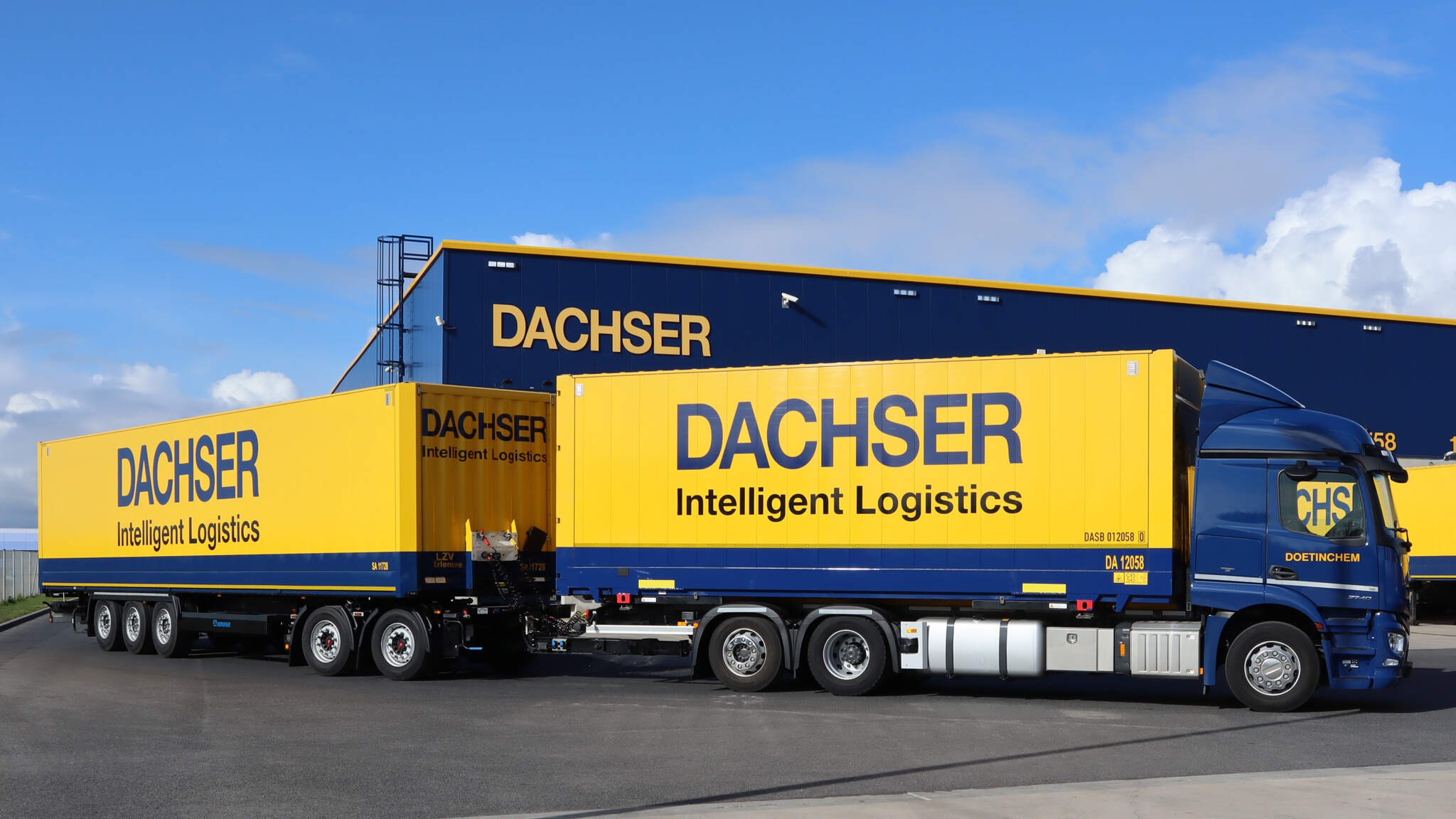
As debates on sustainable transport and modal shift continue across Europe, competition between road transport and rail freight transport has returned to the spotlight. In RailFreight's assessment titled "Road transport: friend or foe?", a discussion emerges that emphasizes the relationship between the two modes is not black and white, yet perceptions are largely shaped by sectoral interests.
The article addresses this debate through two key figures:
Philippe Degraef – from the management of Belgium's road transport association Febetra,
Hans-Willem Vroon – director of the Netherlands rail freight association RailGood.
Both representatives evaluate the road–rail relationship from entirely different perspectives; however, the discussion points to a fundamental question in European transport policy: "Are trucks truly privileged, or is rail struggling with its own structural problems?"
According to the road sector: Rail cannot solve its own structural problems
According to Philippe Degraef, the rail sector's characterization of road transport as a "preferentially supported sector" does not fully reflect reality. Degraef argues that truck transport's:
flexibility,
high service levels,
door-to-door access,
processing speed
\nare demanded by customers and preferred not because the state favors road, but due to the natural functioning of the market.
Degraef further emphasizes:
"Rail must first do its own homework to be able to compete. Schedule reliability is low, infrastructure bottlenecks are widespread, and energy and capacity crises persist."
Regarding the road sector's frequently criticized low taxation or external costs, Degraef points out that freight transport is already under pressure due to high motorway tolls, CO₂ regulations, and driver costs.
According to the rail sector: European policy provides trucks with "discriminatory" advantages
RailGood Director Hans-Willem Vroon approaches the issue from an entirely different angle. According to Vroon, road transport has for years benefited from:
lower taxation,
insufficient external cost pricing,
flexible regulations,
sector-favorable adjustments to working and driving hours
Vroon's core argument is:
"Modal shift policy is strong on paper, but in practice there is a structural system that incentivizes road. Rail freight can only grow when equal conditions are provided."
According to RailGood, the phased introduction of LHV (Long Heavy Vehicles) – long and heavy truck combinations – into the European market is one of the most critical factors weakening rail's competitive position. Vroon believes that LHV use undermines intermodal operations.
The real question: Not antagonism, but integration necessity
The fundamental point discussed in the article is: Are trucks truly the enemy of rail?
In fact, neither Febetra nor RailGood fully accepts this.
Both sides agree on the following:
The European supply chain is not single-modal but multimodal in nature,
An intermodal chain cannot be built without road transport,
Modal shift cannot occur without increased rail efficiency,
Completely restricting road transport risks economic viability.
Therefore, what matters is not "antagonism" but balance and sound policy design.
For rail to attract more freight, the following fundamental steps are needed:
capacity increases,
infrastructure modernization,
digitalization,
transparent planning,
improved price competition.
Conclusion: Road transport is not a rival, but currently more advantaged in the existing system
The outcome of the debate is clear:
Road transport is not rail's "natural enemy",
However, European policies and cost structures make road actually more competitive,
The rail sector faces ongoing need for structural reforms,
Modal shift is possible through making rail attractive, not by restricting road.
For this reason, the framework of future European transport will have room for both modes, but the principle of fair competition that redefines the balance will be decisive.
Key Notes:
According to road associations, truck transport is the market's natural preference; rail's problem lies in its own internal inefficiencies.
According to rail associations, European policies provide road transport with structural advantages.
LHVs are at the center of the competition debate.
The key to modal shift: not penalizing road, but strengthening rail.
Road and rail are more complementary modes than rivals.
Author: SedatOnat.com
Your feedback would make us happy.
We wish you happy reading in advance.

