

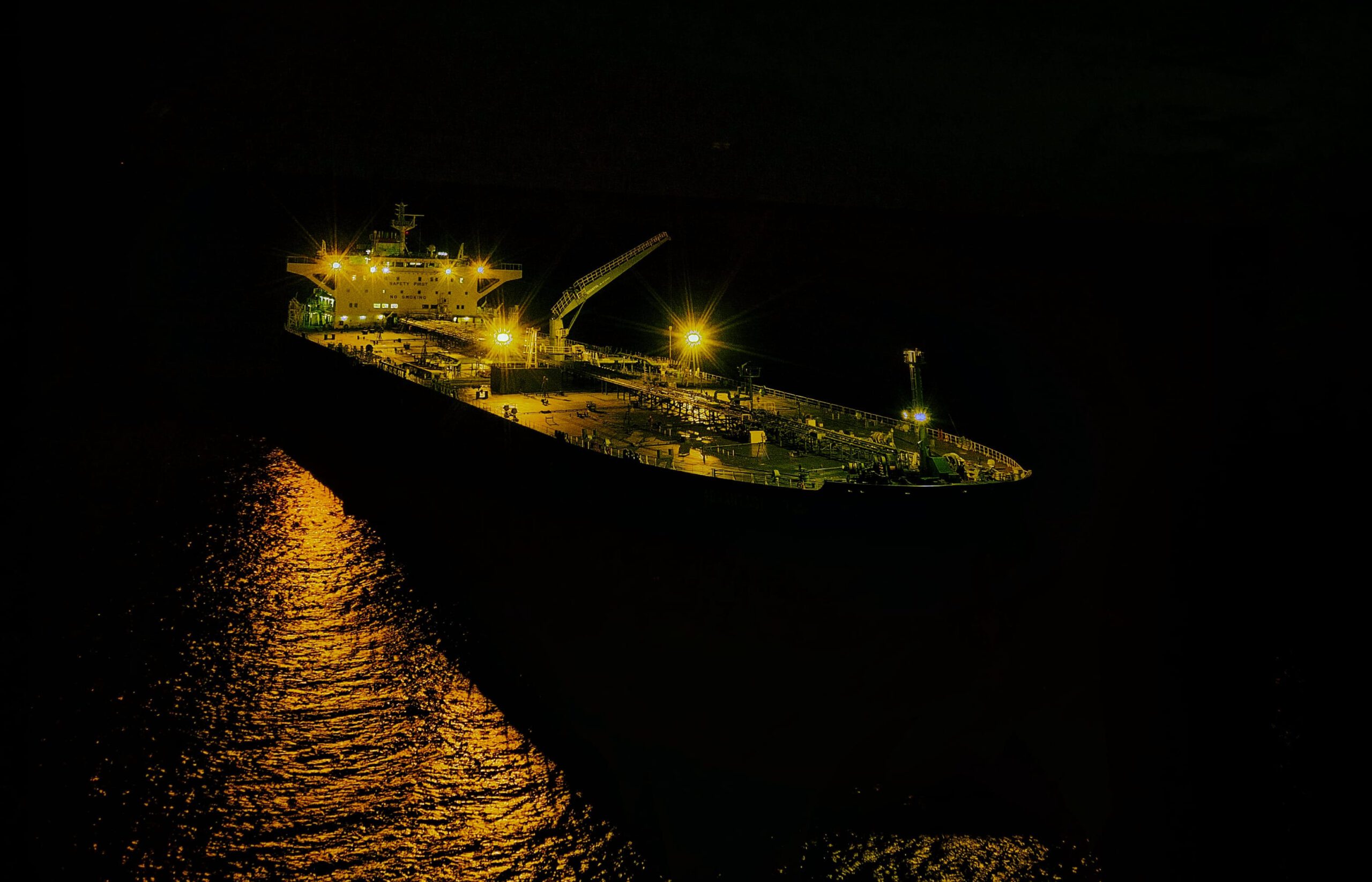
The National Iranian Tanker Company (NITC) fleet has returned to "dark operations" following three days of extraordinary AIS (Automatic Identification System) signal transparency.
According to analysis by maritime AI firm Windward, between October 12–14, 2025, 52 out of 88 Iranian-flagged tankers actively broadcast AIS signals — a situation unprecedented in the past seven years.
Analysts are struggling to make sense of the reason behind this brief window of transparency.
The tankers that switched their AIS systems back on are now completely "dark" as of October 17, with only one vessel remaining visible.
Three Days of Visibility: A First in 7.5 Years
According to TankerTrackers.com data, Iranian-flagged tankers kept their AIS systems open without signal spoofing for the first time in seven and a half years.
Windward described the development in these terms:
"Iranian tankers that have long been conducting 'dark' operations simultaneously opening their AIS signals is a situation never before observed."
The locations of the tankers broadcasting AIS signals were spread across a wide region:
Iran's Kharg Island,
Indonesia,
Near Chinese ports,
Singapore Strait routes.
Notably, nine major NITC tankers were identified within Malaysia's exclusive economic zone (EEZ).
This region is a known hub for floating storage and ship-to-ship transfer (STS) operations of Iranian oil under U.S. sanctions.
Brief Transparency Period: Signals Go Dark Again
However, this transparency was short-lived.
After October 14, AIS signals gradually disappeared, and by October 17, nearly the entire NITC fleet had stopped broadcasting signals.
Windward characterized this as "a simultaneous and coordinated withdrawal."
"This represents a return to the Iranian fleet's typical operational model. Tankers become briefly visible only during Singapore Strait transits and then disappear again."
Timing Raises Questions
According to analysts, this sudden transparency period coincided with significant geopolitical developments:
United Nations sanctions against Iran were reinstated through the "snapback" mechanism.
The Malaysian government launched a new wave of oversight against unauthorized STS operations in its waters.
Windward assesses that these two developments may have triggered the tankers' decision to temporarily broadcast signals:
"Opening signals may have been a temporary legal compliance maneuver or a tactical move against inspection pressure."
However, the motivation remains unclear. TankerTrackers.com commented, "It is unclear whether this change was a political decision by Iranian authorities or the result of another factor."
Typical Behavioral Patterns of Iran's Tanker Fleet
Iran's tanker fleet has long been part of a covert shipping network known as the "shadow fleet."
These vessels typically:
Turn off AIS systems to conceal their routes,
Transfer oil through ship-to-ship (STS) operations under different flags,
Broadcast AIS signals only temporarily during shipments to Asian markets (particularly China).
Most vessels broadcast signals briefly while transiting the Singapore Strait and then disappear again near the Riau Islands.
This tactic is employed both to evade international sanctions and to ensure continuity of oil exports.
Windward: Early Detection via Artificial Intelligence
Windward's Early Detection solution was the first system to detect this unusual signal traffic during October 12–14.
AI-based analysis confirmed the NITC fleet's pattern of simultaneous signal switching in different regions.
This simultaneity points less to coincidence and more to a coordinated decision-making mechanism.
Conclusion: The Shadow Fleet's Veil Continues
The brief AIS visibility of Iranian tankers created a notable anomaly in terms of international oil trade and sanctions monitoring systems.
But this "transparency period" has ended, and the Iranian fleet has returned to its invisibility strategy.
This incident reflects the delicate balance between geopolitical pressure, inspection risk, and sanctions compliance.
The brief AIS disclosure will likely be remembered as a temporary response to international pressure — but Iran's policy of using shadow fleets in oil shipping appears unchanged.
Key Points:
October 12–14, 2025: 52 out of 88 Iranian tankers broadcast AIS signals – the widest visibility achieved for the first time in seven years.
Windward: "This situation represents an unprecedented mass signal broadcast by the Iranian fleet."
As of October 17, the entire NITC fleet has switched off AIS signals again.
Observations coincided with STS operations off Malaysian waters and the reinstatement of UN sanctions.
The Iranian fleet continues to use dark routes and AIS manipulation methods to transport oil to China.
According to experts, this incident provides a new example of how "shadow fleets" circumvent international energy monitoring systems.

