

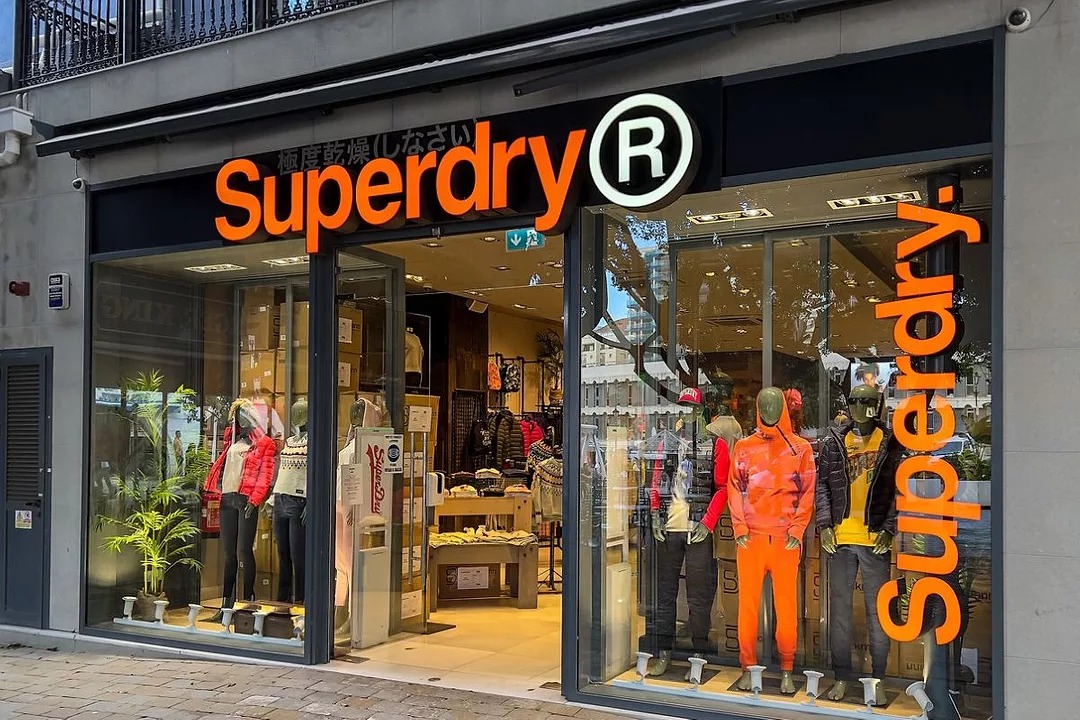
In the United Kingdom, the Advertising Standards Authority (ASA) continues to scrutinize increasingly contentious "sustainability" claims across the fashion and retail sector. According to decisions published in December 2025, advertisements posted on Google by Nike, Superdry, and Lacoste have been banned for using phrases such as "sustainable materials," "sustainable clothing," and "sustainable style" without sufficient substantiation. The ASA's decisions further demonstrate that greenwashing regulations are rapidly tightening across the European market.
According to ASA's statement, the sustainability claims in the advertisements of the three brands do not meet the "high level of substantiation" standard required by the U.K. advertising code. The authority emphasizes that advertisers must support environmental claims with clear, measurable data that directly proves the product's environmental impact. Advertising standards in the U.K. and Europe are enforced far more rigorously than in the U.S.; in the United States, terms such as "best value," "biggest," "eco-friendly," and "sustainable" can often be used without proof requirements.
Nike's advertisement used the slogan "serve and ace with Nike… sustainable materials" for tennis polo products. The brand asserted that the statement referred only to "general terms" and aimed to highlight that Nike's other products contain recycled materials. However, the ASA ruled that Nike failed to explain the basis for its claim and that it carried potential to mislead consumers, banning the advertisement.
Superdry's advertisement used the phrase "wardrobe that combines style and sustainability" to imply that its products offered both style and sustainability. Superdry argued that this did not mean "all products are definitively sustainable." However, the ASA found the advertisement inappropriate, noting that the brand provided no evidence demonstrating its products were "environmentally neutral."
Lacoste's advertisement promoted children's products as "sustainable clothing." The brand stated that it had been working for years to reduce its carbon footprint. Nevertheless, the ASA clarified that Lacoste's statements did not contain sufficiently specific and measurable data to demonstrate that the children's collection causes no environmental harm.
The advertisements of all three companies were completely banned, and the brands were cautioned that they must provide data-driven sustainability substantiation in all future campaigns.
This decision represents a continuation of the ASA's comprehensive greenwashing crackdown strategy conducted during the 2024–2025 period. According to the BBC, the ASA now uses artificial intelligence-based screening tools to identify potentially problematic environmental claims. This system monitors digital advertising channels such as Google, Instagram, and TikTok, automatically detecting misuse of sustainability rhetoric.
The impact of the decisions on supply chains cannot be overlooked. For fashion retailers, sustainability claims are not merely marketing; they are based on verifiable data requirements across areas such as traceability, material sourcing, and scope 3 emissions. Brands will no longer be able to use the term "sustainable" without first establishing measurement systems that prove environmental impact throughout the product lifecycle.
This decision by the ASA against three major international brands demonstrates that as Europe enters 2026, environmental claims are no longer a "soft branding element" but rather a regulated category grounded in substantiation.
Key Points:
Nike, Superdry, and Lacoste's Google advertisements containing "sustainable" claims were banned due to lack of substantiation.
The ASA requires a "high level of substantiation" standard for environmental claims.
The decisions are part of the ASA's AI-driven greenwashing crackdown process.
Brands can now only support sustainability claims with measurable data.
Greenwashing regulations will become even stricter in 2026.
Author: SedatOnat.com
We would be pleased to receive your feedback.
We wish you good reading in advance.

