

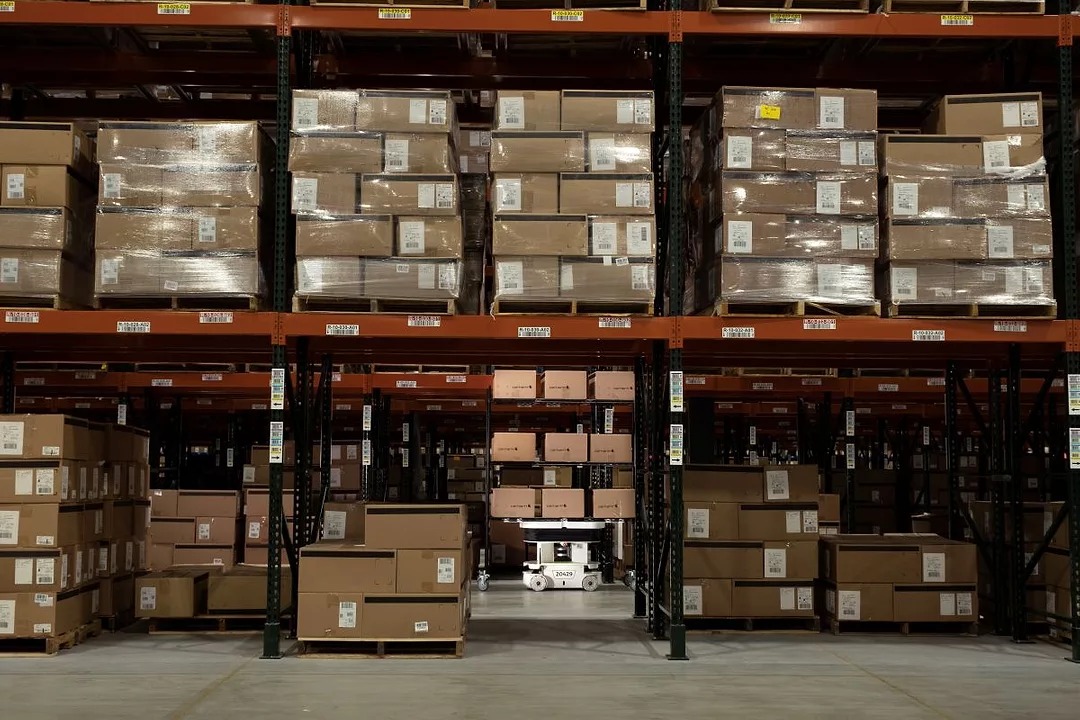
In an era where e-commerce is defined by speed, variety, and volatility, a fixed automation approach relying solely on rigid infrastructure fails to generate competitive advantage. Fulfillment systems that can flex "at market speed" through Autonomous Mobile Robots (AMR), software orchestration, and modular facility architecture are emerging as the preferred solution. From Locus Robotics' perspective, fixed AS/RS and conveyor infrastructure delivers value at high volumes; however, capital-intensive deployment, lengthy ROI cycles, operational disruption during reconfiguration, and scaling challenges create significant constraints.
The productivity impact of AMRs falls into two categories: first, by reducing walking distances, they increase pick volume two to three times over; second, through real-time prioritization and fleet coordination, they maintain bottleneck equilibrium. Standard AMRs can operate alongside high-reach picking robots; workflows can transition flexibly between person-to-goods and goods-to-person operations. This enables SKU diversification, seasonal peaks, and promotion-driven volume surges to be managed without disrupting production.
For a successful transformation, infrastructure-software integration is critical. WMS/WES/OMS integration, dynamic slotting and putaway logic, fleet management, and safe human-robot collaboration are prerequisite. Intra-facility space optimization, aisle widths, and station placement accelerate AMR flow. Post-deployment software updates and performance tuning help sustain the productivity curve.
On the business results side, cycle time reductions reaching 50%, meaningful labor cost per unit savings, and improvements in order accuracy rates are observed. Visibility dashboards presenting real-time pick rates, zone performance, and robot utilization data support continuous improvement. Flexible scalability enables capital expenditures to be made "as needed, when needed."
In short, modern fulfillment design moves beyond fixed infrastructure; AMR-based, software-orchestrated, modular approaches deliver balanced advantages across the speed-flexibility-cost triangle. As companies start small and scale through data-driven learning, investment risk decreases; automation transforms into a lasting competitive tool that adapts to variable demand structures.
Key Takeaways:
- Fixed automation is constrained by high capital investment and lengthy ROI.
- AMRs can be deployed in weeks and scaled via RaaS.
- WMS/WES/OMS integration and dynamic slotting are critical to success.
- Marked improvements are achieved in cycle time and accuracy metrics.
- Flexibility enables seamless capacity expansion during peak periods.

