

Warehouse Demand Surges Despite Tariff Uncertainty: Strong Third Quarter for U.S. Industrial Real Estate
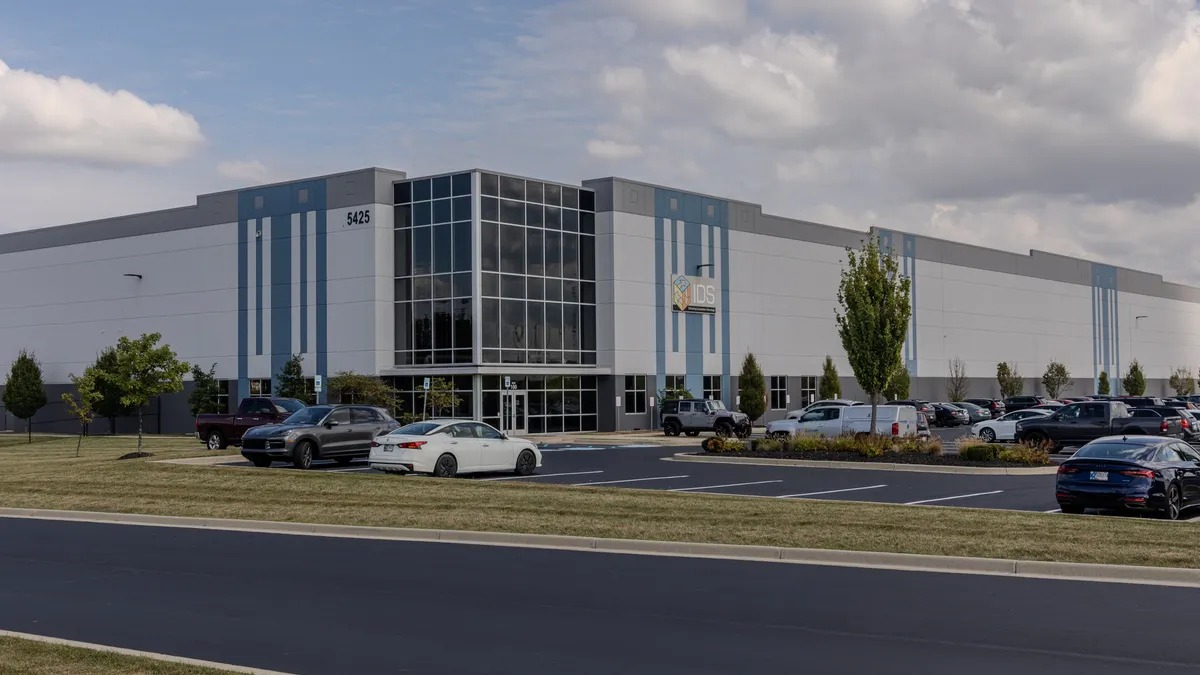
Demand for industrial and logistics real estate in the United States gained renewed momentum in the third quarter of 2025, signaling robust growth despite tariff-driven economic uncertainty. According to a report published by Colliers, Q3 net absorption (occupied space growth) reached 60 million sq ft, marking the highest level since the first quarter of 2023. This increase represents a surge of approximately 20 million sq ft compared to the same period last year.
While Colliers's analysis shows that the year-to-date total for the first three quarters still lags behind 2024, the "aggressive recovery" observed in the third quarter demonstrates that momentum has returned to the industrial real estate market. Phoenix and Indianapolis are leading demand growth, driven by strong big-box demand, build-to-suit projects, and large-scale user transactions.
Demand Rising, Construction Pipeline Narrowing
While demand for industrial real estate is climbing, the opposite trend is emerging on the new construction side.
In Q3, the total industrial space under construction fell to 270 million sq ft, the lowest level since 2018.
This indicates that developers are focusing on controlling excessive supply risk and making projects demand-driven.
However, construction activity remains robust in some high-demand markets such as Dallas–Fort Worth and Houston.
Colliers notes that this shift points toward a more balanced supply-demand environment:
"Most new projects are concentrating in markets with sustainable tenant demand."
Companies Accelerate Warehouse Decisions Despite Tariff Uncertainty
Prologis CEO Dan Letter stated during an October earnings call that companies are beginning to view tariff noise as "a short-term input":
"Customers have become less sensitive to short-term noise and continue with their long-term investments."
This trend is particularly evident among:
e-commerce companies,
retail giants,
manufacturers strengthening their supply chains to improve cost and service levels
.
Recent companies announcing new warehouse investments include Dollar Tree and Ahold Delhaize, while New Balance opened a new distribution center in Salt Lake City last month.
According to Letter, the aggressive investment appetite of large, well-capitalized companies is setting a reference point for SMEs to follow the same path.
Vacancy Rates Signal Stabilization Ahead
As demand growth combines with gradual supply contraction, vacancy rates are expected to stabilize in coming quarters.
In Q3, the industrial vacancy rate:
7.4%,
An increase of 72 basis points year-over-year.
However, despite this increase, the renewed acceleration in demand has the potential to balance vacancy levels.
Sector Takeaway: "Warehouse Expansion Continues" Despite Tariff Uncertainty
Throughout 2025, U.S. companies have faced:
high tariffs,
trade disputes,
supply chain restructuring
uncertainties.
Yet Q3 data shows that companies have not backed away from long-term warehouse and logistics investments.
The key drivers include:
e-commerce growth,
nearshoring and friendshoring strategies,
increased inventory holding trends (just-in-case inventory),
supply chain cost optimization needs.
Key Takeaways:
Q3 2025 saw 60 million sq ft of net absorption (+20M YoY).
Phoenix and Indianapolis lead demand growth.
Industrial space under construction is at its lowest level since 2018 (270M sq ft).
Companies continue long-term warehouse investments despite tariff uncertainty.
E-commerce, retail, and supply chain transformations support storage demand.
Vacancy rate stands at 7.4%; supply-demand balance may stabilize in 2026.
Author: SedatOnat.com

