

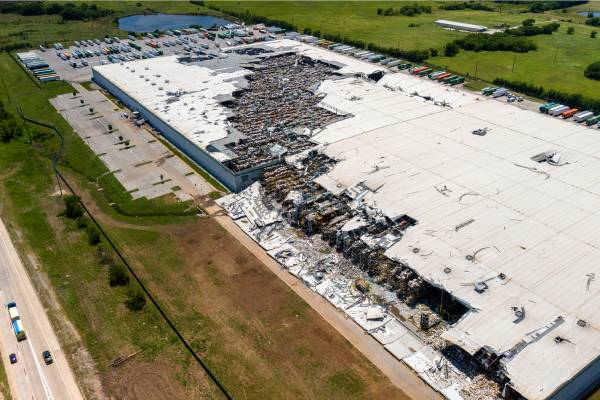
Natural disasters such as earthquakes, hurricanes, floods, and wildfires can seriously disrupt supply chain infrastructure and transportation networks. This disruption can interrupt business operations and negatively impact customer satisfaction. The following five strategies are recommended to protect the supply chain against such disasters.
1. Risk Assessment and Planning
Businesses should conduct a comprehensive risk assessment to identify which parts of their supply chains are most vulnerable to natural disasters. This assessment reveals potential threats and weak points, enabling proactive measures to be taken. For example, as Slimstock notes, evaluating supply chain risks helps businesses determine their risk appetite.
2. Developing Alternative Suppliers and Logistics Networks
Reliance on a single supplier or logistics network creates significant risk during natural disasters. Therefore, developing alternative suppliers and logistics networks increases flexibility. As Slimstock emphasizes, creating flexible systems and processes enhances supply chain resilience.
3. Use of Technology and Digital Tools
Advanced technologies and digital tools play a critical role in monitoring and managing the supply chain. Innovations such as real-time data analysis and blockchain technology improve risk forecasting and decision-making processes. As Slimstock notes, supply chain visibility makes a significant contribution to risk management.
4. Training and Awareness Programs
Raising awareness and training employees and stakeholders on natural disasters strengthens supply chain resilience. Regular training sessions and drills on how to respond in disaster situations ensure swift and effective response. As outlined in AFAD's Türkiye Disaster Response Plan, training personnel who will work in disasters is essential.
5. Strengthening Collaboration and Partnerships
Establishing strong collaborations among stakeholders throughout the supply chain optimizes coordination and resource utilization during disaster situations. As emphasized in Türkonfed's report, information sharing and joint planning enhance supply chain resilience.
Key Points:
Risk Assessment: Identifying weak points in the supply chain and taking proactive measures is essential.
Alternative Networks: Creating diversified supplier and logistics networks increases flexibility.slimstock.com
Technology Use: Digital tools and real-time data analysis improve risk management.
Training: Ensuring personnel are prepared for disaster situations enables rapid response.
Collaboration: Strong partnerships and information sharing support supply chain resilience.
Implementing these strategies helps businesses build a more resilient supply chain against natural disasters.

