

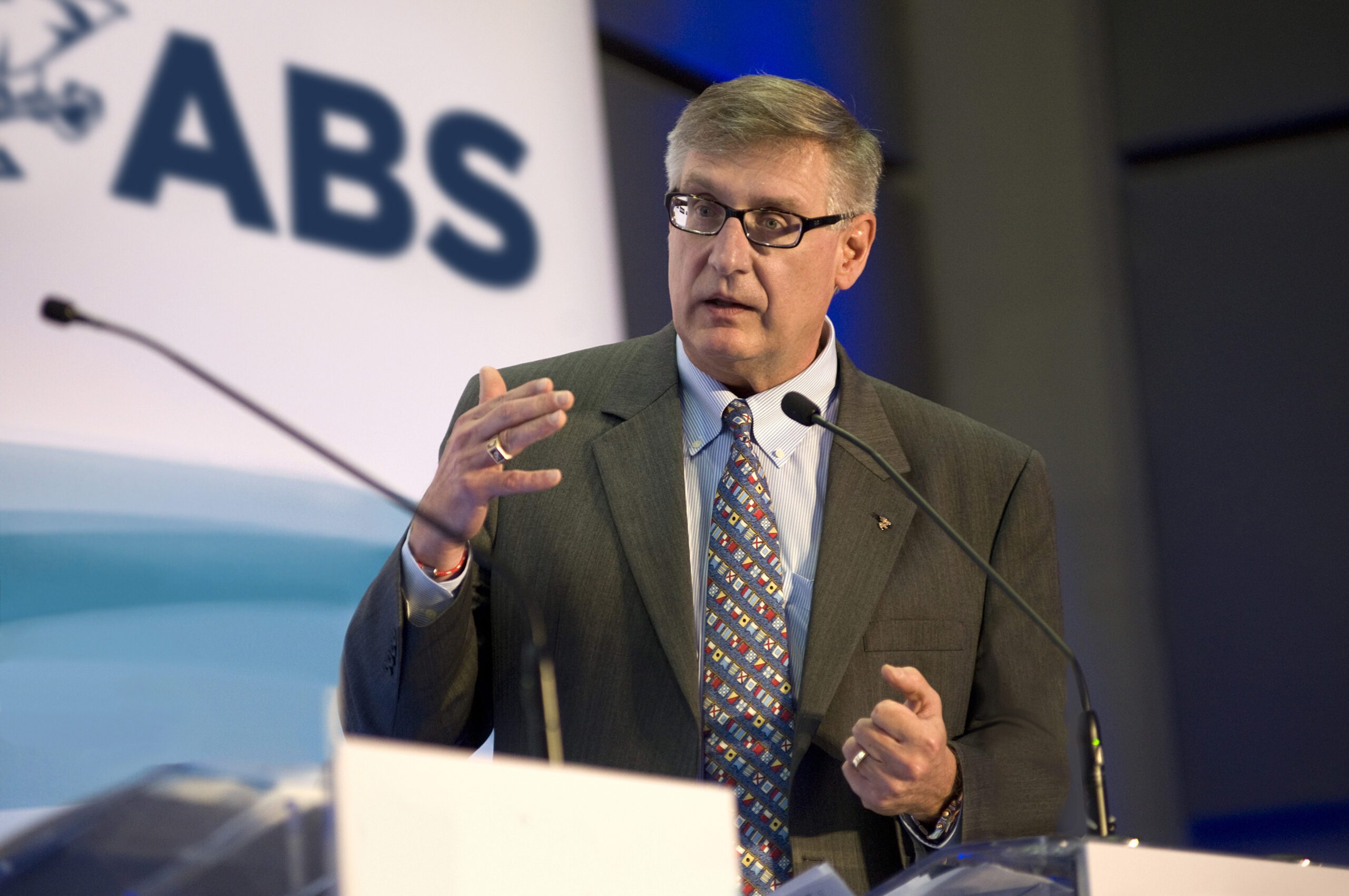
The integration of nuclear energy is critical for the maritime sector to reach its net-zero emissions target by 2050. Christopher J. Wiernicki, President and CEO of the American Bureau of Shipping (ABS), said at the "New Nuclear for Maritime Houston Summit" organized by Core Power that new nuclear technologies offer solutions for global carbon reduction and are driving significant change in commercial shipping.
Wiernicki stated, "It is impossible to achieve the net-zero target by 2050 without nuclear energy."
New nuclear technologies are creating a transformative impact in the maritime sector. These technologies are fundamentally changing business models, the economics of sea transportation, ship operations, and designs. Nuclear energy not only enables zero-carbon operations but also offers greater power and faster transit capabilities.
Additionally, with the elimination of fuel storage requirements, cargo storage capacity increases and vessels gain the potential to provide power to ports (reverse cold ironing). Moreover, this technology eliminates the need for vessels to refuel throughout their operational lifetime.
Contrary to conventional thinking, there is a perception that nuclear technology is highly costly.
However, Wiernicki emphasizes that new nuclear technologies can be highly competitive. When considering fuel cost differences over the vessel's lifetime, compliance costs, and residual value, using nuclear energy comes at approximately the same cost as fossil fuel options. Moreover, compared to the high costs of green fuels, nuclear energy presents a more attractive option.
Nevertheless, beyond technological advances, significant challenges exist. Wiernicki notes that a new public-private partnership and a new business model will be needed. The insurance sector will need to revise its current models, regulatory gaps must be closed, global licensing standards must be developed, and investment in crew training must be made.
The ultimate constraint on this technology will be safety, and the public must be informed and educated about the advanced safety performance of these new reactors.
ABS published the industry's first comprehensive rules for floating nuclear power in October of last year. These rules, titled ABS Requirements for Nuclear Power Systems for Marine and Offshore Applications, contain requirements for nuclear energy systems in maritime and offshore applications and are available for free download.
Key Points:
Christopher J. Wiernicki emphasizes that nuclear energy is essential to achieving net-zero emissions targets in shipping.
New nuclear technologies fundamentally change business models, the economics of sea transportation, ship operations, and designs.
Nuclear energy enables zero-carbon operations while offering greater power and faster transit capabilities, and by eliminating fuel storage requirements, it increases cargo capacity.
When lifetime costs are considered, nuclear energy comes at approximately the same cost as fossil fuel options and presents a more attractive option compared to the high costs of green fuels.
Beyond technological advances, new public-private partnerships, revised insurance models, closed regulatory gaps, developed global licensing standards, and investment in crew training are needed.
ABS published the industry's first comprehensive rules for floating nuclear power, and these rules are available for free download.

