

U.S. President Donald Trump's threat to impose an additional 100% tariff on Chinese goods effective November 1st is rapidly increasing demand in trans-Pacific air cargo traffic. According to information reported by The Journal of Commerce (JOC), importers are accelerating their orders to avoid potential tariffs and shifting to air cargo channels, which offer faster delivery compared to ocean freight.
In a statement released by the White House on October 10th, the measure was framed as a response to China's export restrictions on rare earth minerals. These minerals are strategic raw materials for high-technology, renewable energy, and defense industries.
However, even though no official tariff decision has yet taken effect, U.S. importers are unwilling to take risks. Due to the lengthy delivery times in ocean freight, they are rapidly shifting their orders to air freight.
According to experts, this situation is causing sudden capacity constraints, particularly on the trans-Pacific route. Congestion is occurring in shipments from major Chinese air cargo hubs such as Hong Kong, Shanghai, Shenzhen, and Guangzhou to U.S. airports in Los Angeles, Chicago, and Dallas.
Rising Demand Pushes Prices Higher, But Capacity Provides Balance
The surge in air cargo demand is naturally driving up spot rates. However, according to analysts, prices are not spiking uncontrollably because air cargo capacity has increased in recent periods.
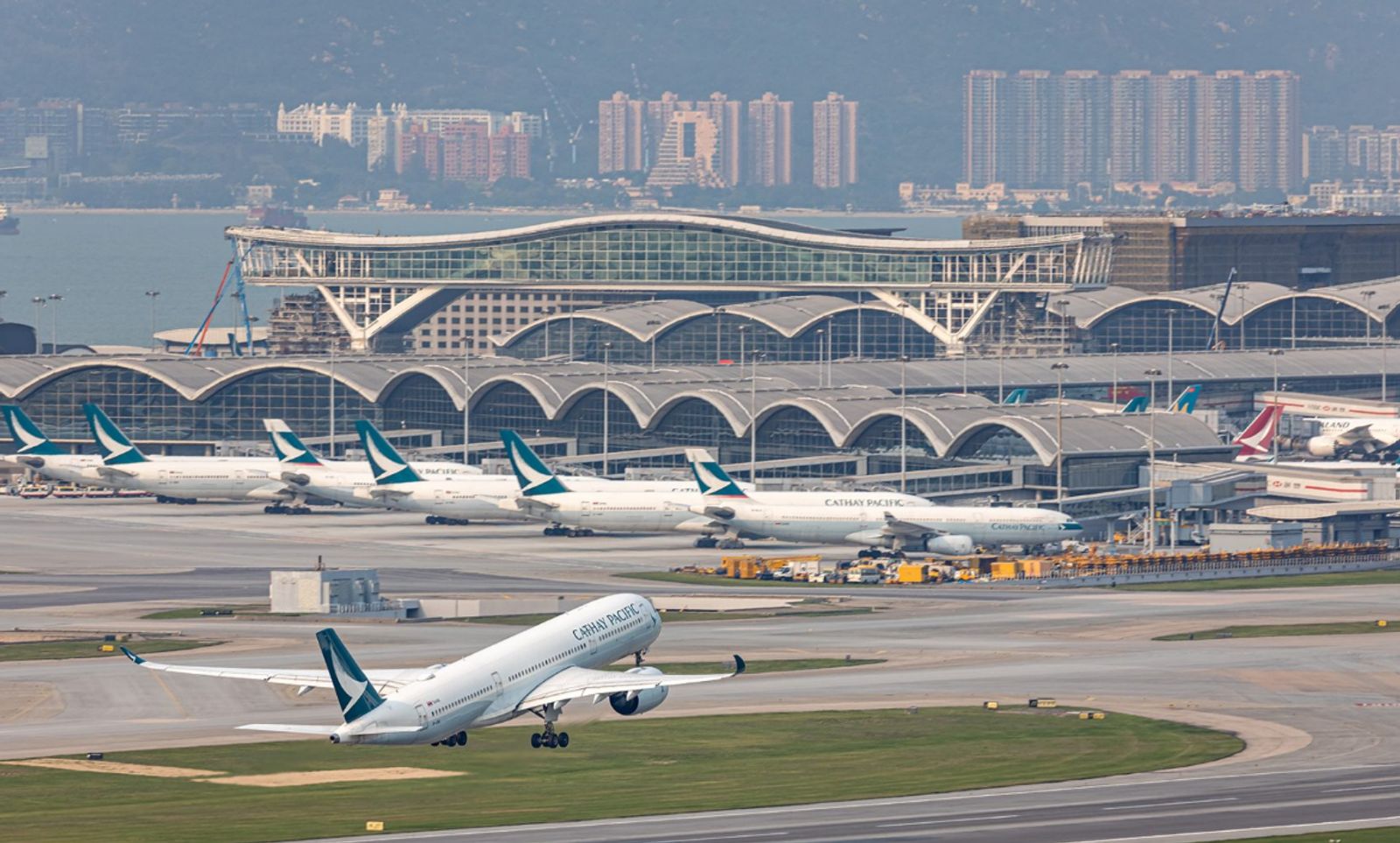
Major carriers such as Cathay Pacific, China Airlines, EVA Air, and Air China Cargo have increased flight frequencies on trans-Pacific routes during the post-pandemic recovery period. This is enabling supply to partially absorb the demand shock in the near term.
Nevertheless, exporters operating in sectors such as high-technology products, automotive components, and textiles are making aggressive bookings to ensure their goods reach the U.S. before tariffs take effect. Forwarder companies are reporting that air cargo capacity will be "nearly completely full" through the end of October.
Political Tensions Creating Economic Pressure
This development is being interpreted as a new phase of escalation in U.S.–China trade relations. Washington's new tariff plan is seen as retaliation against Beijing's policy of restricting strategic resources. However, these tit-for-tat moves are negatively impacting supply chain stability.
While U.S. importers will bear elevated air cargo costs in the near term, these expenses are expected to be passed through to final consumer prices in the long term. Analysts warn that such policies could amplify global inflationary pressures.
New Supply Chain Strategies Emerging
Experts emphasize that "nearshoring" and "supply diversification" strategies are gaining importance in the future of supply chains. Excessive dependence on China makes companies more fragile in times of similar trade tensions. For this reason, many global manufacturers are shifting production bases to alternative countries such as Vietnam, Thailand, Mexico, and India.
Meanwhile, the increase in demand in the air transport sector is expected to continue through November and December. This is because U.S. retailers are attempting to rapidly replenish their holiday inventory.
In conclusion, if the U.S. implements its new tariffs, there is a strong likelihood of further increases in air cargo prices for exports from China, rising supply chain costs, and disruption to international trade balance.
Key Takeaways:
U.S. President Donald Trump announced that an additional 100% tariff could be applied to Chinese goods effective November 1st.
Following this announcement, trans-Pacific air cargo demand increased sharply.
China's export restrictions on rare earth minerals are viewed as the primary driver of this tension.
Spot rates are rising, but increased air cargo capacity is tempering prices.
Forwarders report that capacity will be nearly full through the end of October.
According to experts, this development is increasing the need for diversification in global supply chains.
If new tariffs take effect, there is a risk of further increases in air transport costs and consumer prices.

