

China has escalated trade tensions with Washington by imposing sanctions on five U.S.-linked subsidiaries of South Korean shipbuilding giant Hanwha Ocean.
According to Reuters, the decision was announced on October 14, 2025, and following the announcement, Hanwha Ocean shares fell 5.8%, while rival HD Hyundai Heavy Industries declined 4.1%.
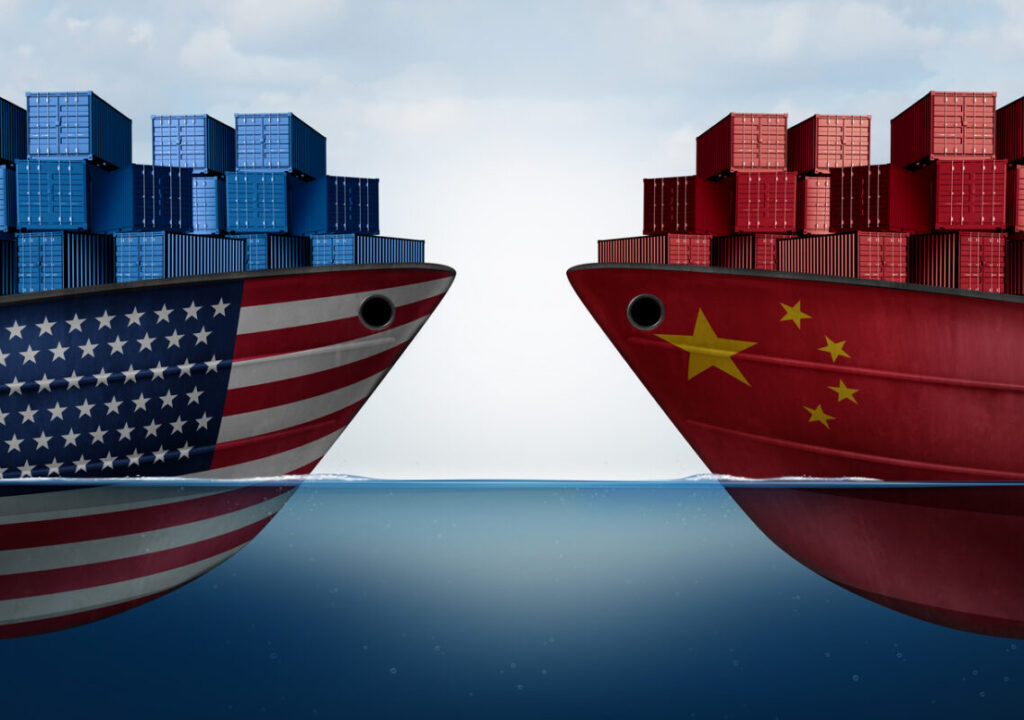
The sanctions were announced on the same day that both China and the United States introduced new port fees against each other's vessels. However, China exempted ships built by itself from this measure.
Beijing: "U.S. Cooperation Threatens China's Sovereignty"
The China Ministry of Commerce explained the rationale for the sanctions as follows:
"Hanwha Ocean's U.S.-linked subsidiaries have supported U.S. government investigative activities, thereby endangering China's sovereignty, security, and development interests."
The ministry announced that Chinese entities and individuals must now cease all commercial activities and cooperation with these five Hanwha subsidiaries.
This move is viewed as part of Beijing's new sanctions policy targeting companies engaged in cooperation with the West in defense and strategic manufacturing sectors.
Hanwha's Response and U.S. Investments
Hanwha Ocean stated to Reuters that it is closely monitoring the potential impacts of the sanctions and remains committed to maintaining customer support.
The company emphasized that its investments in the U.S. maritime sector will continue.
One of Hanwha's major initiatives is the investment in Philadelphia-based "Hanwha Philly Shipyard."
The company announced a 5 billion dollar investment plan for this shipyard, which it acquired in 2024 for 100 million dollars.
This investment is viewed as part of South Korea's commitment to invest up to 150 billion dollars to revitalize U.S. shipbuilding industry.
Hanwha's rival HD Hyundai Heavy Industries is similarly conducting negotiations for shipyard acquisitions in the United States.
According to Reuters, these developments are part of the U.S. strategy to close its weakness against China in ship production.
Seoul's Response and Quest for Diplomatic Balance
The South Korean Ministry of Foreign Affairs announced that it is evaluating China's sanctions and will work in cooperation with Beijing, other ministries, and industry stakeholders to mitigate economic impacts.
Experts note that this situation has placed Seoul in a difficult diplomatic position in the U.S.-China competition.
On one hand, South Korea is supporting U.S. efforts to rebuild defense industry supply chains; on the other hand, it is trying to preserve economic relations due to its high trade volume with China.
Trade Tensions and Geopolitical Context
China's sanctions against Hanwha should be understood in the context of protectionist policies and strategic manufacturing competition that gained momentum during former U.S. President Donald Trump's administration.
The Trump administration had requested support from allies such as Japan and South Korea to help revitalize the U.S. shipbuilding industry (particularly the production of warships).
During this process, tensions between China and the United States escalated over port fees, customs tariffs, and technology transfer restrictions.
Both countries introduced new port fees against each other's vessels in October, but decided to maintain the tariff suspension agreement valid until November 2025.
This situation increases uncertainty in global supply chains, while directly affecting maritime shipping and defense industry companies.
Conclusion: Shipbuilding Sector Becomes New Trade Battleground
China's sanctions against Hanwha demonstrate that competition in Asia-based defense and shipbuilding industries is entering a new phase.
The U.S. efforts to strengthen domestic production are converging with China's strategy to preserve regional influence.
This development is a clear indicator that the U.S.-China trade war has expanded to the defense industry dimension.
For multinational actors like Hanwha, this situation requires new strategic decisions in geopolitical risk management, supply chain diversification, and market balancing.
Key Points:
China imposed sanctions on five U.S.-linked subsidiaries of Hanwha Ocean.
Rationale: The companies endangered China's security by supporting U.S. investigative activities.
Following the decision, Hanwha shares fell 5.8% and HD Hyundai Heavy fell 4.1%.
Hanwha is executing a 5 billion dollar investment plan for Philly Shipyard in the U.S.
The South Korean Ministry of Foreign Affairs aims to limit the impact of sanctions through increased diplomatic engagement with China.
The incident creates a new area of tension between the U.S. policy to strengthen shipbuilding industry and China's economic countermeasures.
U.S.-China trade competition has now extended to maritime and defense industries.
If you have feedback, we would be delighted to hear from you.
Wishing you happy reading.

