

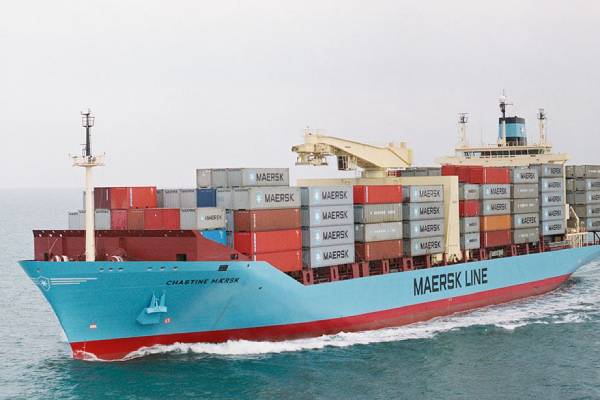
As uncertainties in the global supply chain increase, blank sailing — the cancellation of a ship's voyage or the skipping of scheduled port calls — has become a more frequently used capacity management tool by carriers. Blank sailing is implemented due to reasons such as low demand, severe port congestion, weather conditions, geopolitical risks, or cost control, and like a cancelled airline flight, it can cause sudden disruptions in the supply chain.
How does blank sailing occur?
Blank sailing means the carrier fails to provide the scheduled service. This can happen in two ways:
The ship does not depart at all (voyage cancellation).
The ship departs but skips certain port calls (port omission).
These cancellations are often announced on short notice and require shippers to rapidly revise their alternative plans.
Why is blank sailing done?
The news analysis emphasizes that blank sailing decisions are typically made for five main reasons:
1. Low demand
If there is insufficient cargo on a route, carriers cancel the voyage to avoid losses from transporting empty containers.
2. Port congestion
When congestion increases at mega ports such as Los Angeles/Long Beach, Rotterdam, and Shanghai, vessels skip certain ports rather than waiting at anchor for days.
3. Vessel repositioning
Carriers may temporarily suspend certain services to redeploy vessels to busier trade lanes.
4. Weather and geopolitical risks
External factors such as adverse weather conditions, water level issues in shipping channels, strikes, and conflict zones can cause voyages to stop.
5. Cost control
During periods when freight rates decline, carriers attempt to stabilize prices by reducing capacity.
Impact on shippers
Blank sailing causes cascading disruptions for most businesses. The main impacts are:
Longer transit times (such as a 30-day route extending to 45 days)
Increased storage and demurrage charges
Rebooking and transshipment costs
Inventory shortages and stockout risk
Delivery windows becoming unpredictable
Significant uncertainty in supply chain planning
For this reason, blank sailing is an important risk that directly affects operational efficiency for importers and exporters.
How do companies manage this risk?
Blank sailing cannot be completely prevented, but its impact can be reduced:
Use multiple carriers (to reduce single-line dependency)
Earlier booking and longer lead time planning
Closely monitor carrier announcements and blank sailing advisories
Build safety stock and flexible scheduling buffers
Track progress with route mapping and visibility tools
These practices mitigate the logistics shocks created by sudden cancellations.
Real-world examples
During the Red Sea crisis, Maersk and other carriers cancelled voyages for security reasons, which led to successive waves of blank sailing on Asia–Europe routes.
Freight rate fluctuations similarly caused capacity withdrawals, voyage cancellations, and sharp increases in transit times on US–China routes at the beginning of 2025.
Overall assessment
While blank sailing is a tool that provides operational flexibility and cost control for carriers, it means uncertainty, cost, and delay for shippers. As supply chain congestion, geopolitical tensions, and freight rate volatility continue through 2025 and beyond, blank sailing practices are expected to remain at elevated levels.
The best approach for companies is to deploy the trio of flexible planning + multi-carrier strategy + visibility tools together.
Important Notes:
Blank sailing: the carrier cancels a voyage or port call.
Root causes: low demand, congestion, vessel repositioning, weather/geopolitical risks, cost control.
Impacts: delays, additional fees, inventory risk, planning uncertainty.
Management recommendations: multi-carrier strategy, early booking, buffer time, visibility tools.
Author: SedatOnat.com

