

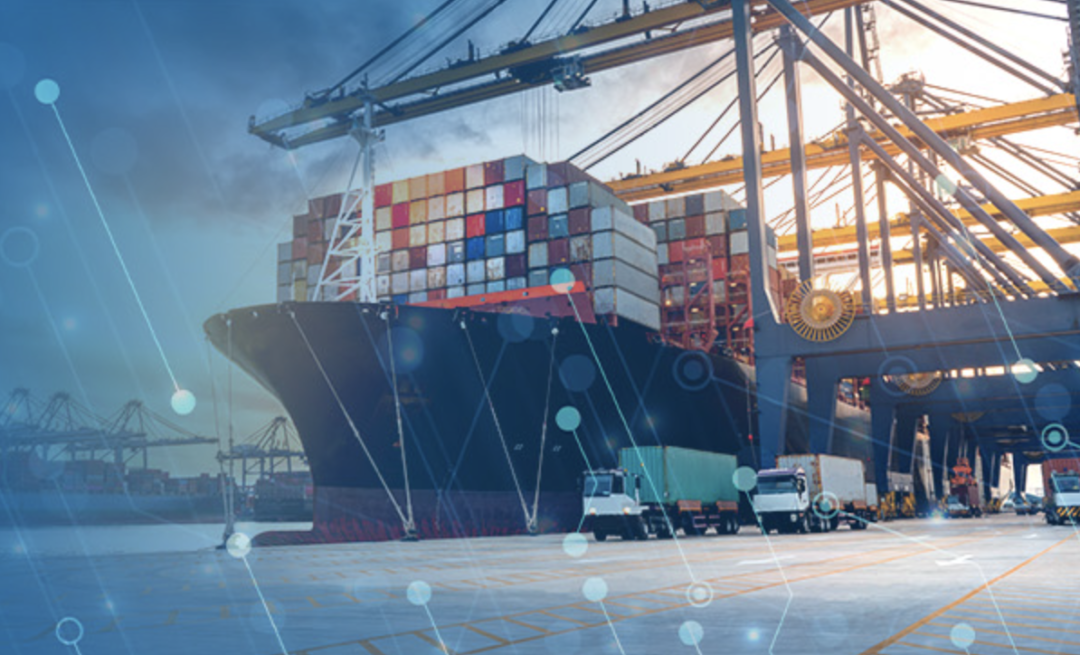
The White House's new tariffs on Chinese goods, aimed at protecting America's manufacturing sector and providing competitive advantage, have faced criticism for causing price increases for end consumers. Collected by U.S. Customs and Border Protection, these tariffs are typically passed on to consumers and manufacturers at higher prices by American importers or brokers.
\nProducts subject to the tariffs include batteries, electric vehicles, semiconductors, shore-to-shore cranes, solar panels, and steel and aluminum products. U.S. Trade Representative Katherine Tai stated that the policy aims to counter China's "unfair trade practices."
\nHowever, trade groups such as the American Apparel and Footwear Association have argued that this move will increase costs for manufacturers and consumers, fueling inflation. The impact of tariffs on the American economy is not limited to consumer price increases alone; they may also adversely affect resilience and flexibility in supply chains. Notably, the 100 percent tariff increase on electric vehicles could harm the United States' efforts to reduce greenhouse gas emissions, while this situation could also incentivize investment in the domestic EV industry.
\nKey Points
\n- \n
New tariffs are intended to protect the American manufacturing sector, but will result in increased consumer prices.
\n The tariffs aim to restrict China's unfair trade practices.
\n There is a risk that tariffs will trigger inflation and negatively impact supply chains.
\n The 100 percent tariff on electric vehicles may conflict with the U.S. net-zero goals.
\n

