

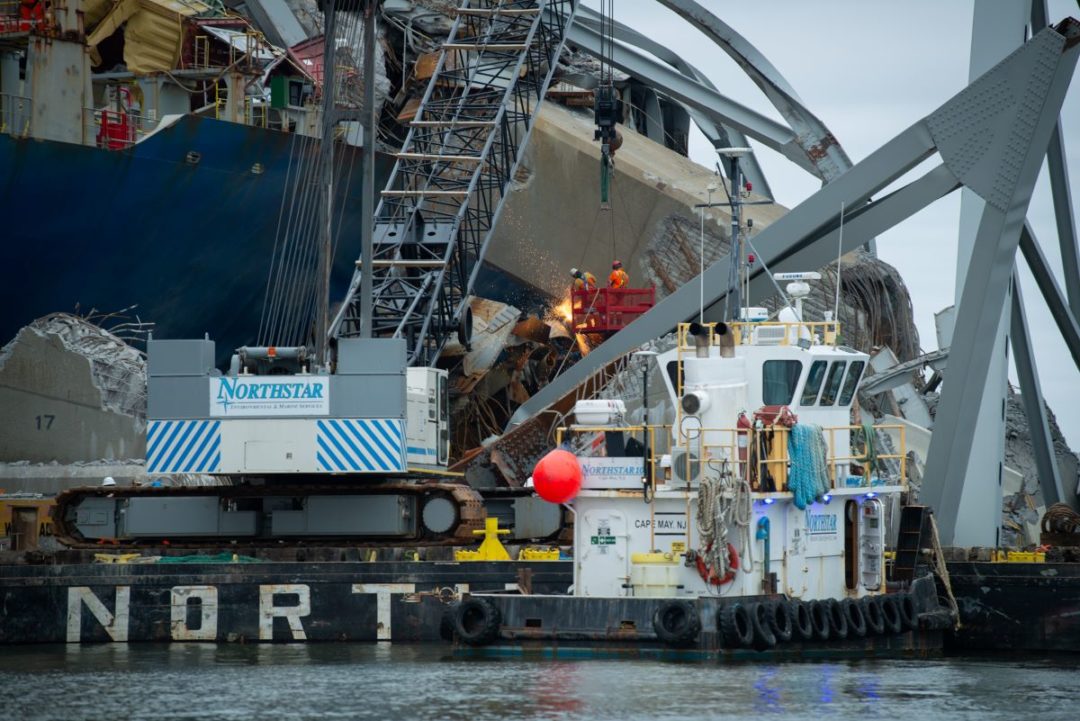
In an article published in SupplyChainBrain magazine on May 16, 2024, Jennifer Homendy, head of the National Transportation Safety Board (NTSB), stated that the Dali, a container ship that struck the Francis Scott Key Bridge in Baltimore, did not have the backup power systems necessary to prevent such an accident. Homendy noted that this condition is not unusual for most cargo ships.
\nShe further explained that backup power systems are typically used for radio equipment, navigation, and limited rudder control, but are not used to fully restore the ship's propulsion capability.
\nHomendy stated that a backup generator capable of restoring thrust in an emergency would need to be as large as a six-story structure on the ship. While such a backup power system is commonly found on passenger vessels, the limitations that the Dali possessed reflect industry standards for cargo ships.
\nAccording to the NTSB report, the Dali's power was lost twice in the 10 hours before departing the port and again twice more within half a mile just before striking the bridge.
\nKey Points
\n- \n
The Dali container ship struck the Francis Scott Key Bridge in Baltimore.
\n The ship did not have the backup power systems necessary to prevent the accident.
\n Backup power systems are typically used for limited equipment and do not provide propulsion.
\n The backup power generator required would need to be as large as a six-story structure on the ship.
\n A backup power system is typically found on passenger vessels, not cargo ships.
\n The ship experienced power outages before striking the bridge and before departing the port.
\n

