

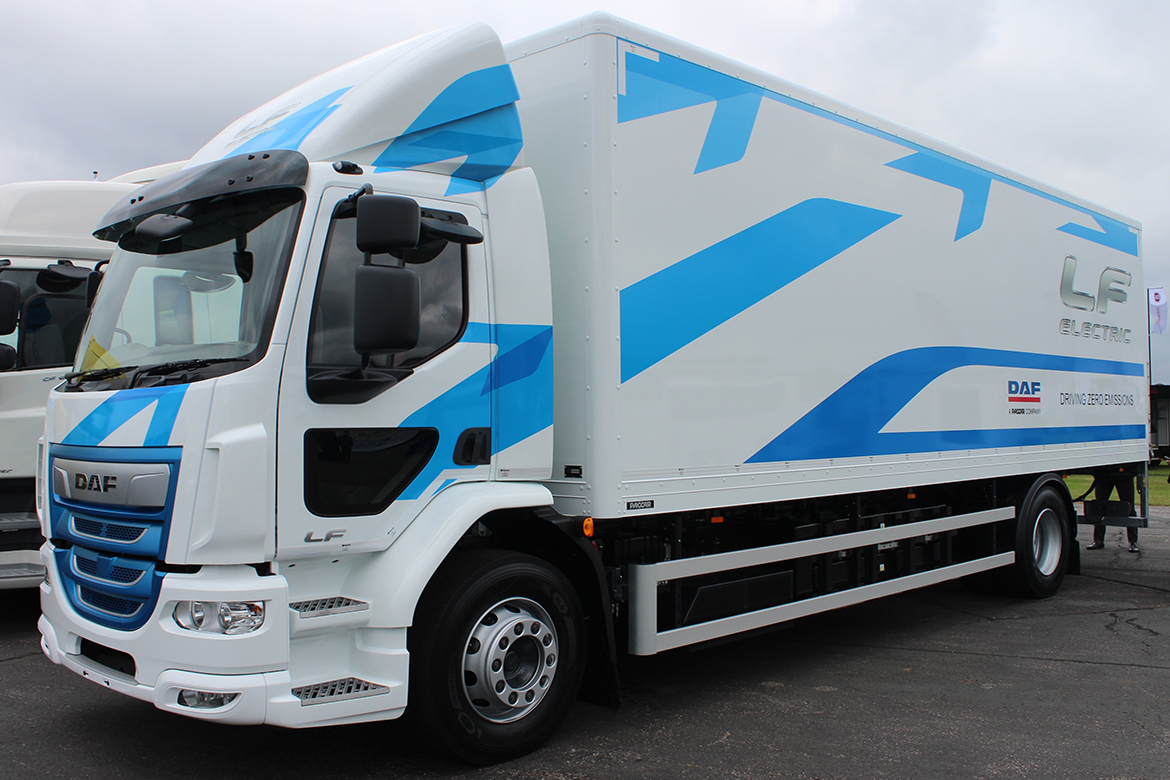
While electric trucks have significant potential to reduce CO2 emissions, they also impose operational constraints such as reduced load capacity and driving range. New regulations require a 45 percent reduction in CO2 emissions from newly sold trucks over 7.5 tons by 2030, 65 percent by 2035, and 90 percent by 2040. These changes bring substantial shifts in logistics planning.
\nThe lower load capacity and limited range of electric trucks create challenges in route planning and the availability of charging infrastructure. While electric truck prices can be three times higher than diesel trucks, the deployment of charging infrastructure and electricity costs add further expenses. These developments require supply chain managers to reassess their current operations and explore ways to integrate electric trucks into their networks.
\nKey Takeaways
\n- \n
CO2 emissions from newly sold trucks over 7.5 tons must be reduced by 45 percent by 2030, 65 percent by 2035, and 90 percent by 2040.
\n Electric trucks have limited load capacity and range, creating challenges in logistics planning.
\n Electric trucks can cost three times more than diesel trucks.
\n Charging infrastructure and electricity costs increase operational expenses.
\n Supply chain managers must reassess their current operations to integrate electric trucks.
\n

