

Companies Turn to Multi-Geography Sourcing as Geopolitical Pressure Persists on European Supply Chains
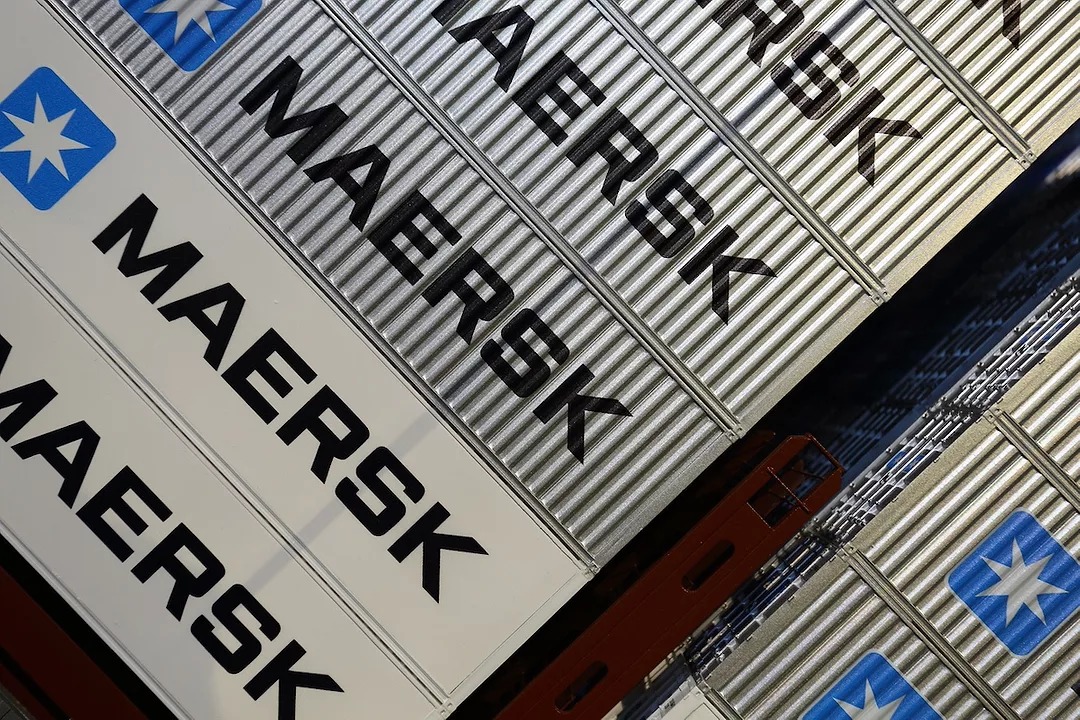
SupplyChainBrain survey findings indicate that supply chain professionals across Europe expect geopolitical dynamics to continue impacting their operations over the next two years. Research conducted by Maersk with 900 European companies reveals how firms are positioning themselves amid rising uncertainty and pursuing strategic adjustments.
80% of survey respondents believe their operations will continue to be affected by geopolitical developments and tariffs. 50% of participants report deep concern about the current geopolitical environment. This indicates that European companies are adopting a cautious stance in both short-term operational decisions and medium-term investment planning.
According to the survey, 80% of companies acknowledge that supply chain challenges directly impact business growth. The most prominent challenges include geopolitical tensions, trade friction between the United States and China, energy costs, global route risks, and volatility in container shipping costs.
One striking finding of the research is a marked increase in firms' shift toward multi-geography sourcing strategies. In the 2024 survey, 53% of companies reported sourcing from multiple geographies or planning to do so; this figure rose to 75% in 2025. This increase reflects objectives of risk distribution and moving away from vulnerable supply chain points.
Maersk Europe President Aymeric Chandavoine stated on November 11 that European business has faced numerous challenges over the past five years, emphasizing with his comment that "global environment is definitely here to stay," that these uncertainties will persist. Since the post-pandemic period, companies have been reassessing capacity management, route optimization, sourcing from nearby geographies, digitalization, and inventory strategies.
According to the survey, U.S. tariffs represent one of the most critical geopolitical pressure points for European companies. Approximately 50% of participants view import–export cost fluctuations as the most significant threat. According to Maersk's analysis, when the United States increased tariffs, companies faced an effective tariff rate of 54% per container. This rate peaked following U.S. President Donald Trump's announcement of "Liberation Day" in April. Although tariffs have declined over time, companies still face significant volatility.
Maersk notes that this volatility is straining companies both in terms of cost management and long-term contract planning. The uncertainty of shipping costs continues to pressure European companies regarding pricing, inventory, production planning, and customer retention. Companies, particularly those engaged in heavy trade with the United States and Asia, are investing more in demand forecasting to manage tariff and cost risks.
The survey reveals that strategic diversification, nearshoring, capacity planning, and more flexible contract structures are critical for European supply chains to achieve greater resilience in the future. However, a significant proportion of companies are turning to digital supply chain tools, risk monitoring systems, and multi-channel sourcing solutions to enhance supply chain visibility.
In conclusion, European companies do not expect geopolitical stress to ease in the near term; instead, they are aiming to adapt to the new environment through risk distribution, multi-source sourcing, cost control, and digitalization measures.
Key Takeaways:
80% of participants believe geopolitical stress will persist over the next 1–2 years.
50% of companies express "deep concern" about the current environment.
Multi-geography sourcing increased from 53% in 2024 to 75% in 2025.
U.S. tariffs emerge as the most critical cost pressure.
U.S. tariffs reached an effective cost of 54% per container at one point.
European companies are turning to risk management, diversification, and digitalization.
Related Articles:
U.S. Reshoring Efforts in Light of the Israel-Palestine Conflict's Impact on Supply Chains #1
U.S. Reshoring Efforts in Light of the Israel-Palestine Conflict's Impact on Supply Chains #2
Keiretsu: The Backbone of Japanese Industrial Transformation
Author: SedatOnat.com
We would be delighted to receive your feedback.
Wishing you happy reading from now on.

