

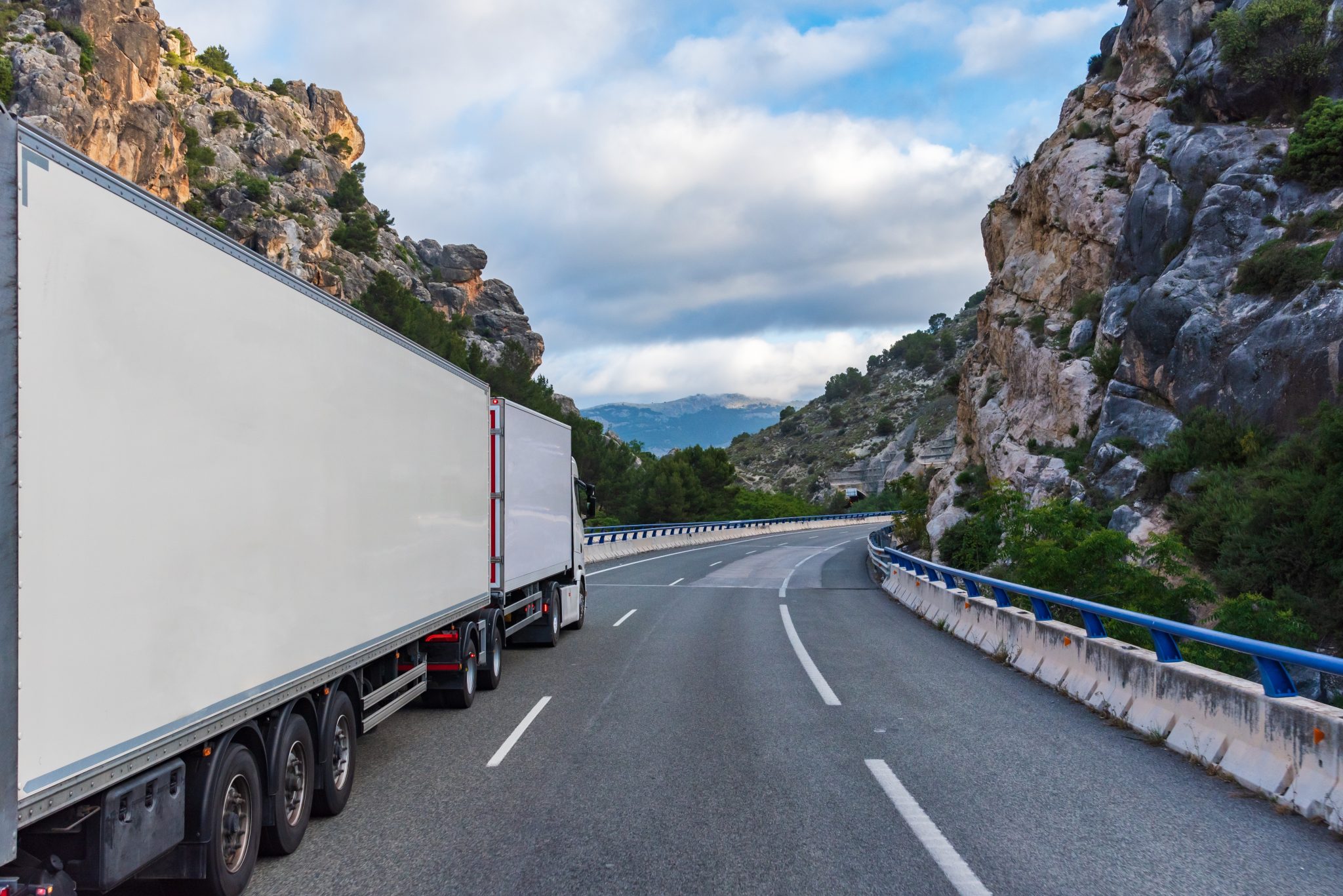
16 sector associations across Europe have sent a joint letter to the European Commission, strongly objecting to the proposed implementation of the European Modular System (EMS) under the Weights and Dimensions Directive (WDD). This system would permit the use of longer and heavier trucks (mega-trucks) on European roads.
According to the signatories, this move would undermine investments in rail transport, weaken intermodal transportation (rail–road–maritime integration), and jeopardize road safety.
Negative impact on rail investments
In their letter, the 16 associations emphasized that the WDD contradicts the Commission's commitment to "increasing rail freight transport." With EMS implementation, the introduction of transport units incompatible with rail systems could render billions of euros invested to date in infrastructure and fleet obsolete.
For example, the new semi-trailer length (exceeding 13.6 meters) specified by the directive is incompatible with most existing wagon fleets and inland waterway vessels in Europe. This would create serious technical incompatibilities in road–rail transfers (intermodal transport).
The associations stated in their statement: "Implementing the EMS system will reverse rather than promote intermodal transport. According to our estimates, up to 21% of European rail freight could shift to road transport." They noted that this would translate to 6.7 to 13.3 million additional truck trips annually.
Investments could be wasted, new infrastructure costs could emerge
European countries have made substantial investments in rail infrastructure and logistics terminals in recent years. With EMS implementation, existing investments could become obsolete, and new costs would arise due to required bridge, junction, and terminal modifications to accommodate the new truck dimensions.
The associations characterized this situation as "a policy that creates a vicious cycle rather than solving the problem."
Road safety and environmental risks
The report emphasizes that long and heavy vehicles (LHV) would pose serious threats to road safety.
Larger vehicles would have extended stopping distances and reduced maneuverability.
Accident risk and accident severity would increase.
If EMS use increases for dangerous goods transport, this could raise the risk of catastrophic accidents.
The associations stressed that dangerous cargo has historically been transported safely via rail and inland waterways, and that disrupting this balance would represent a step backward for public safety.
Driver qualification concerns
Another critical point highlighted in the letter is the absence of special qualification requirements for drivers operating EMS vehicles.
"Under current regulations, inexperienced 18-year-old drivers could operate these long and heavy trucks. This would further increase the likelihood of accidents," the statement concluded.
The Commission's approach and sector response
The European Commission characterizes the WDD within the Greening Freight Package as a tool supporting more environmentally friendly transport. However, sector representatives argue that "larger trucks do not equal sustainable transport," and instead represent a policy favoring road over rail.
The associations also noted that the Commission's signals to withdraw planned revisions to the Combined Transport Directive represent another indication of moving away from intermodal targets.
Conclusion: Risk of modal shift
Experts warn that if the WDD is implemented in its current form, "reverse modal shift" would occur, meaning transportation would shift from rail and maritime to road, putting Europe's climate targets under strain.
The 16 European associations have called on the Commission to review the directive, preserve intermodal compatibility, and maintain the priority given to rail freight transport.
Key Points:
16 European associations published a joint letter opposing the Weights and Dimensions Directive (WDD).
Large truck (EMS) use is incompatible with rail investments and weakens intermodal transport.
Forecast: Up to 21% loss of rail freight, resulting in 6.7–13.3 million additional truck trips annually.
Semi-trailers exceeding 13.6 meters are incompatible with existing wagons and inland vessels.
Road safety and dangerous goods transport face serious risks.
Driver licensing requirements are insufficient, allowing 18-year-old drivers to operate these vehicles.
The associations are demanding the Commission review the directive and maintain rail priority.
Author: SedatOnat.com
We would be delighted to hear your feedback.
Wishing you happy reading in advance.

