

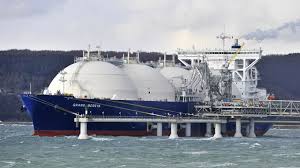
Germany is significantly increasing its imports of Russian liquefied natural gas (LNG) through European ports, despite maintaining a ban on direct shipments. This development has reignited debates surrounding Berlin's energy policies and Europe's energy supply security.
Although Germany has banned direct LNG imports from Russia, it continues to source Russian LNG indirectly through other European ports. This strategy is seen as an effort by Berlin to meet the country's energy needs. However, the arrangement has raised questions about the consistency of Germany's energy policies and Europe's broader energy security concerns.
The share of LNG in Germany's energy consumption is steadily increasing. This rise aligns with the country's objectives of diversifying energy sources and transitioning away from fossil fuels. Nevertheless, indirect imports of Russian LNG have sparked concerns about energy independence and security.
LNG imports through other European ports are viewed as part of Germany's efforts to diversify its energy supply. While this strategy provides flexibility in energy procurement, it remains contested whether it genuinely serves the goal of reducing energy dependence on Russia.
Germany's energy policies have sparked debate both domestically and across Europe. Indirect LNG imports have drawn criticism questioning Berlin's commitments to energy independence and security.
Key Points:
Germany is increasing Russian LNG imports through European ports despite its ban on direct LNG shipments.
This situation has triggered discussions about the consistency of Berlin's energy policies and Europe's energy security.
LNG's share in Germany's energy consumption is growing, which aligns with energy diversification goals.
Indirect LNG imports are raising concerns about Germany's energy independence and security.
LNG imports through other European ports provide flexibility in energy supply, but it remains disputed whether this approach serves the goal of reducing dependence on Russia.
Germany's energy policies require developing new strategies on energy independence and security. The long-term effects of indirect LNG imports hold critical significance for the future direction of Berlin's energy policies.
Your feedback would make us happy.
We wish you happy reading in advance.

