

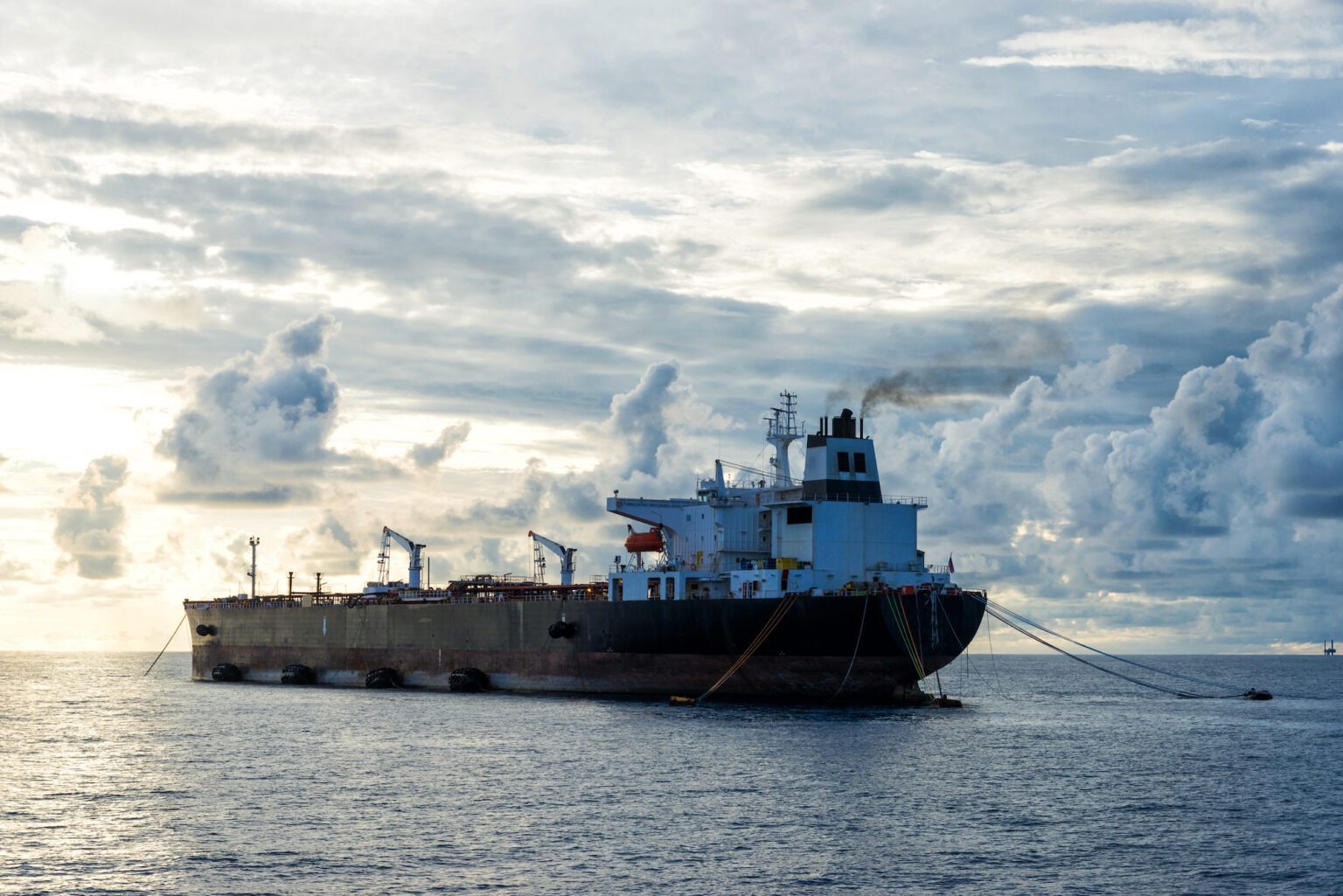
New sanctions that took effect following the U.S. decision to blacklist Rosneft PJSC and Lukoil PJSC have triggered significant disruption in global oil trade. According to Bloomberg's analysis, approximately 48 million barrels of Russian crude oil are "stuck" at sea due to lack of buyers. This situation is driving new route changes in the global supply chain, adding costs, and creating irregularities in tanker traffic.
The sanctions are viewed as one of Washington's most aggressive moves to increase pressure on Moscow over the Ukraine war. The U.S. Treasury Department stated that the sanctions are "already effective," with demand for Russian oil declining and significant discounts emerging in prices.
Which oil is stuck?
According to data firm Kpler, most of the Urals and ESPO cargoes belonging to Rosneft and Lukoil are at sea:
a total of 48 million barrels,
approximately 50 tankers heading toward China and India, though many have unclear final destinations,
some vessels are headed to small or "shadow trade-friendly" ports,
some have changed course and gone on standby.
This picture clearly shows how the logistics chain and buyers are acting cautiously to avoid sanctions.
India and China backing away
India and China, Russia's primary oil buyers, are adopting an increasingly cautious stance due to the sanctions.
Notably, Reliance Industries, one of India's largest refiners, announced that it will stop processing Russian oil at one section of its Jamnagar refinery.
Although the two countries maintain close ties with Russia, the risk posed by potential U.S. secondary sanctions is prompting companies to reconsider their Russian oil purchases.
Tanker traffic in disarray: U-turns and course changes
Over recent weeks, dozens of tankers have changed routes or gone on standby. Bloomberg's examples are notable:
Spirit 2:
Was carrying 730,000 barrels of Urals. After passing through Suez and heading into Asia, it made a U-turn, waited for days, then reoriented toward India.Furia:
Made a dramatic U-turn in the Baltic Sea before passing through Suez; now heading to India.Cindy:
Loaded 770,000 barrels of ESPO from Kozmino but has an unclear buyer. Now headed toward the Singapore–Malaysia Strait; this region is known for covert ship-to-ship transfer operations.Fortis:
A Urals-laden vessel initially bound for China's Ningbo port changed course toward South Korea's Yeosu region; the area is common for STS operations where Russian and Iranian oil are blended.
Market impacts
U.S. sanctions have not yet halted Russia's total seaborne exports. Moscow is attempting to maintain 3.4 million barrels per day in shipments. However, as the volume of stranded cargo at sea increases:
the likelihood of actual supply decline,
rising costs for tankers,
pressure on Asia-bound routes,
Russian oil being forced into deeper discounts in pricing
are expected to become more pronounced.
As ING analyst Warren Patterson put it:
"Russian oil continues to be loaded but cannot reach its buyers. This pushback could lock up the entire chain."
According to experts, the market will find new equilibrium within a few months, but during this period complex rerouting, STS operations, and significantly higher freight costs will continue to strain the sector.
Key Points:
U.S. sanctions on Rosneft and Lukoil have stranded 48 million barrels of Russian oil at sea.
Approximately 50 tankers are heading toward China and India but lack clear buyers for most.
India's Reliance refinery will no longer process Russian oil.
Tankers are executing U-turns at Suez and the Baltic, rerouting, and conducting STS operations.
In the near term, the market is in disarray; alternative "workaround" models may emerge in coming months.
Author: SedatOnat.com
We would be delighted to receive your feedback.
Wishing you happy reading.

