

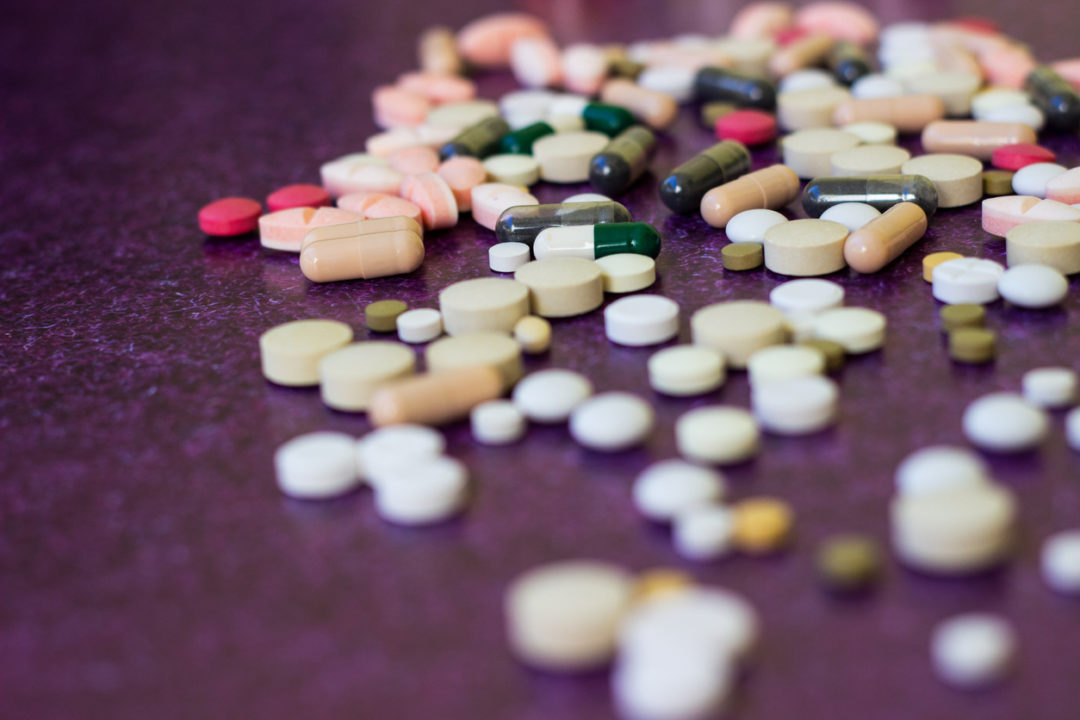
According to research conducted by the Journal of the American Medical Association (JAMA), supply chain disruptions increase the likelihood of drug shortages in the U.S. by 40% compared to Canada. Examining 100 drug-related supply chain disruptions in the U.S. and Canada between 2017 and 2021, JAMA found that nearly half of these disruptions led directly to drug shortages in the U.S., whereas the rate in Canada was only 34%. The majority of supply chain disruptions were attributed to delays in manufacturing, packaging, or transportation.
\nThe research suggested that Canada's more collaborative relationship among drug manufacturers, government agencies, health systems, and wholesalers contributed to its greater resilience against shortages. In the U.S., the American Society of Health-System Pharmacists has been sounding the alarm for over a year, with 323 active drug shortages recorded in the first quarter of 2024 alone. These shortages span a wide range, from cancer chemotherapy drugs to medications used in attention deficit/hyperactivity disorder (ADHD) treatment.
\nShortages in ADHD medications are particularly noteworthy. According to the Centers for Disease Control, tight regulatory restrictions on distribution and manufacturing, combined with steadily increasing global ADHD diagnoses over the years, have triggered this situation. The U.S. Food and Drug Administration (FDA) announced a nationwide shortage for Adderall, a commonly used ADHD treatment, in the fall of 2022. This was followed by shortages in popular alternatives such as Vyvanse, Focalin, and Ritalin. In September 2024, the FDA increased U.S. manufacturers' annual production threshold for Vyvanse's active ingredient by 24%, but other ADHD medications remain difficult to find in pharmacies.
\nKey Takeaways:
\n- \n
According to the JAMA study, supply chain disruptions lead to 40% more drug shortages in the U.S. compared to Canada.
\n Canada's collaborative approach is effective in reducing shortages.
\n The American Society of Health-System Pharmacists identified 323 active drug shortages in the first quarter of 2024.
\n ADHD drug shortages are increasing due to strict regulations and rising diagnosis rates.
\n The FDA announced a shortage for Adderall in 2022 and increased Vyvanse production thresholds by 24% in 2024.
\n
---
\n-------------------
\n
