

U.S. President Donald Trump launched a comprehensive federal review of rising price pressures and sector consolidation in America's food supply chain with a new executive order signed on December 6, 2025. According to White House statements, the order envisions the establishment of new food supply chain security task forces within the Department of Justice (DOJ) and Federal Trade Commission (FTC). The objective is to investigate price fixing, market manipulation, and other anti-competitive behavior in the food sector and impose sanctions where necessary.
Trump's executive order includes the statement, "Anti-competitive behavior… threatens the stability and affordability of America's food supply." The administration contends that particularly foreign-controlled firms are distorting price formation in the food supply chain and creating national security risks. The order argues that such practices place pressure on cost of living and directly impact American consumers.
Trump also noted that allegations of price fixing in the food sector are not new, citing past legal precedents with the statement: "In recent years certain companies in the American food supply chain have even settled civil suits accusing them of price fixing for tens of millions of dollars." This indicates that the investigation will address not only new allegations but also longstanding structural issues across sub-sectors such as meat processing, seed, fertilizer, and agricultural equipment.
According to Reuters, the attorney general and FTC chairman will be empowered to launch enforcement actions and propose new regulatory mechanisms if anti-competitive behavior is detected during the investigation. This signals that scrutiny will extend across a broad range of areas, from mergers and acquisitions in the food sector to supply chain contracts.
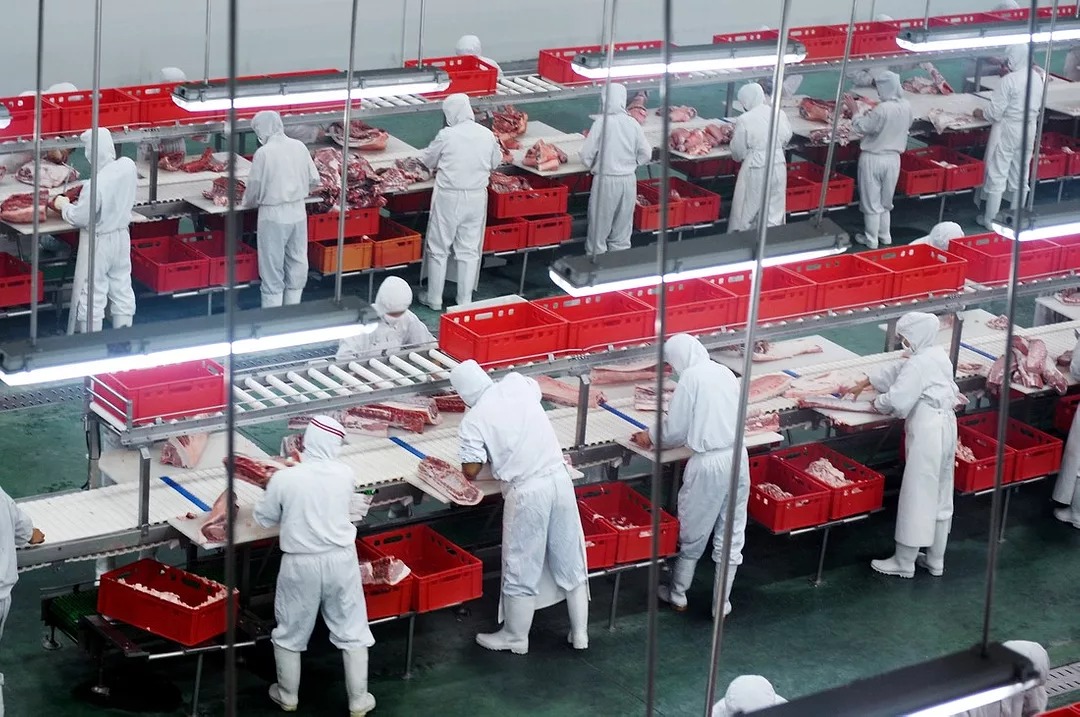
Consolidation in the U.S. food sector in recent years—particularly high concentration in meat processing and seed production—is viewed as an important dynamic affecting retailer and consumer prices. Additionally, oligopolistic structures in fertilizer and equipment markets increase farmers' costs, indirectly driving up food prices. The order aims to reassess the competitive structure of these markets.
The food supply chain also carries a national security dimension. Rising input costs, declining farm scale, growing foreign company share in certain sub-sectors, and post-pandemic vulnerabilities have led Washington to view price pressures not merely as an economic issue but as a strategic one. This executive order signals the beginning of the U.S. approach to managing the food supply chain as "critical infrastructure."
Similar to the competitive reviews conducted in the energy sector during the Biden administration, the Trump administration is expected to pursue more interventionist federal investigations in agriculture and food. The investigations to be conducted by DOJ and FTC task forces will focus on
supplier contracts,
pricing chains,
market power of raw material suppliers,
vertical integration structures,
market behavior affecting farmers and consumers
and related topics.
The executive order also represents an important component of the U.S.'s efforts to combat high inflation. Food prices have been among the most stubborn items in consumer inflation throughout 2024 and 2025. Consequently, eliminating competitive problems in the supply chain is viewed as critical for economic stability.
In conclusion, Trump's executive order initiates a comprehensive investigation and potential sanctions period against anti-competitive behavior in the U.S. food supply chain. The process, to be conducted under DOJ and FTC leadership, is expected to trigger a broad transformation spanning 2026, with significant legal and operational implications for the sector.
Key Points:
Trump signed an executive order to investigate price fixing and anti-competitive behavior in the food supply chain.
Food supply chain security task forces are being established within the DOJ and FTC.
Foreign-controlled companies and oligopolistic market structures are within the investigation's scope.
The meat processing, seed, fertilizer, and equipment sectors are classified as "high risk."
Task forces will be able to launch enforcement actions where warranted.
Author: SedatOnat.com
We would be delighted to receive your feedback.
Wishing you good reading from the start.

