

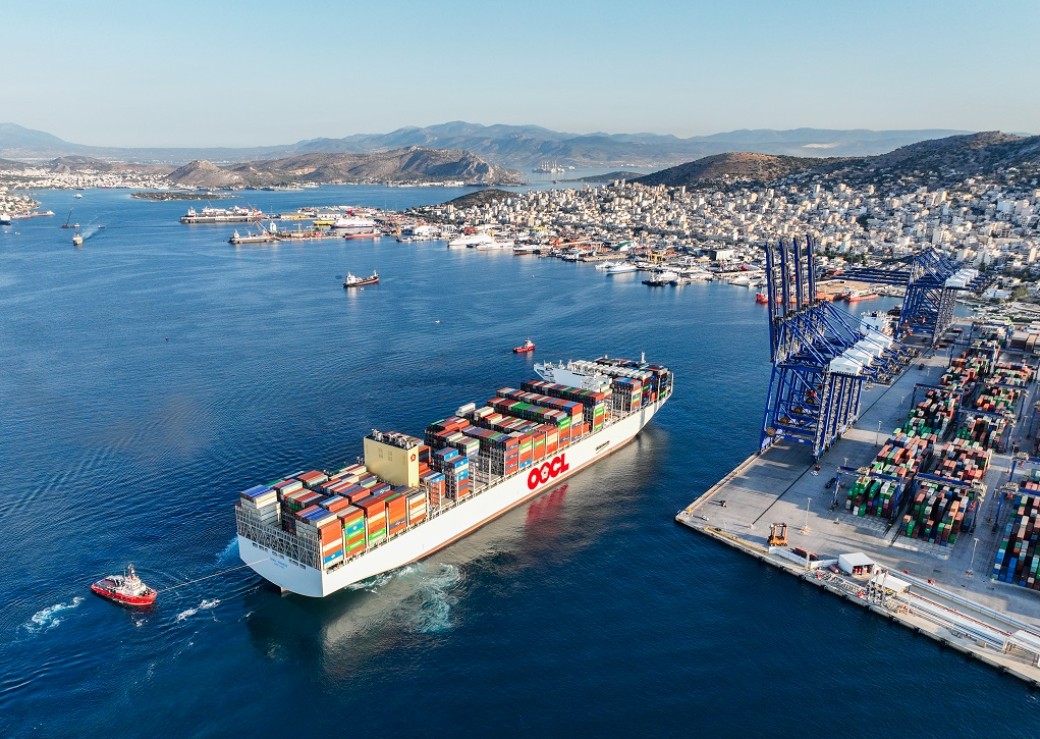
In the final weeks of 2025, the Mediterranean logistics landscape has become a new front in US–China rivalry. COSCO, which holds a 67% controlling stake in Piraeus Port Authority, has created diplomatic tension between Washington and Athens. The United States has characterized China's control over Piraeus as "unfortunate" and is pressuring the Greek government to reduce this dependency. The White House argues that Piraeus's position within NATO's security ecosystem has been weakened due to Chinese ownership.
On the opposite pole of this debate stands Elefsis Shipyard, located just a few miles from Piraeus. The US development agency DFC – US Development Finance Corporation has invested approximately 125 million USD to modernize the facility. Elefsis is being positioned from the US perspective as a "trusted maritime node"; it is being certified as a secure maintenance and repair center for NATO warships, LNG tankers, and dual-use vessels.
This move is being evaluated as the US's attempt to build an explicit alternative to Piraeus's long-held position as a regional logistics hub. This strategy shapes not only geopolitical competition but also the commercial orientations of major infrastructure players. The US views the handling of critical technologies, defense equipment, or sensitive machinery at China-controlled terminals as a security risk. Consequently, Elefsis's growth signals a logistics shift toward "cargo segregation": certain types of cargo are being diverted away from Piraeus.
This tension, when combined with the drone attacks (Red Sea), shadow fleet operations, Riyadh air–land hub, Barcelona rail hub, and African port crises previously mentioned, reveals a larger fracture dynamic in 2026's supply chain landscape. Supply chains are no longer a single network; they are fragmenting into three distinct channel structures.
Channel A – "Trusted Network" (Secure but costly)
This network comprises infrastructure closely integrated into Western security architecture.
For example:
Barcelona South Rail Hub (carbon-neutral domestic distribution + politically secure hinterland)
Elefsis Shipyard (independent from Chinese influence, NATO-compliant maintenance and repair hub)
This channel is preferred for high-value, sensitive, or dual-use cargo (pharmaceuticals, electronics, defense-adjacent cargo).
Channel B – "Bypass Network" (Creative and flexible)
This channel consists of new corridors that avoid risky shipping lanes.
For example:
DHL Riyadh SILZ Hub – creating an air–land bridge to bypass the Red Sea
Africa Gateway Strategy – new terminals in Togo, Algeria, Kenya instead of bottleneck ports like Durban and Cape Town
This network maintains flow continuity for consumer goods and fast-moving products.
Channel C – "Dark Network" (Risky but cheap)
This channel comprises shadowy logistics networks that circumvent sanctions and can be used by non-state actors.
For example:
Shadow Fleet vessels
AIS blackouts, STS "blending", tankers flying false flags
High-risk routes operating in the Red Sea and Black Sea despite drone threats
This channel creates a "shadow economy" that is effectively tolerated to sustain cheap energy supply.
The divergence of these three channels pushes logistics decision-making entirely into a political dimension in 2026. Route selection is no longer about cost and transit time alone; it now requires a multifaceted assessment encompassing country relationships, pariah status risks, dual-use cargo regulations, and port security criteria.
Risk is particularly elevated for Piraeus. The US's objection to Chinese ownership could position Piraeus as a potential "avoid port" for sensitive cargo. Consequently, many forwarders are planning to use Piraeus for consumer goods in 2026 while shifting sensitive loads to safer alternatives such as Barcelona, Genoa, Trieste, Elefsis, or Herzliya.
Key Takeaways:
Piraeus Port has become the focal point of US–China competition due to COSCO's control.
US-backed Elefsis Shipyard is positioned to address the security gap that Piraeus creates from NATO's perspective.
2026 supply chains are fragmenting into three main channels: Trusted, Bypass, Dark Network.
Sensitive cargo is expected to shift away from Piraeus toward secure ports.
Riyadh, Barcelona, and select African terminals are emerging as rising nodes of the "new logistics architecture".
Author: SedatOnat.com
We would be delighted to receive your feedback.
Wishing you happy reading.

