

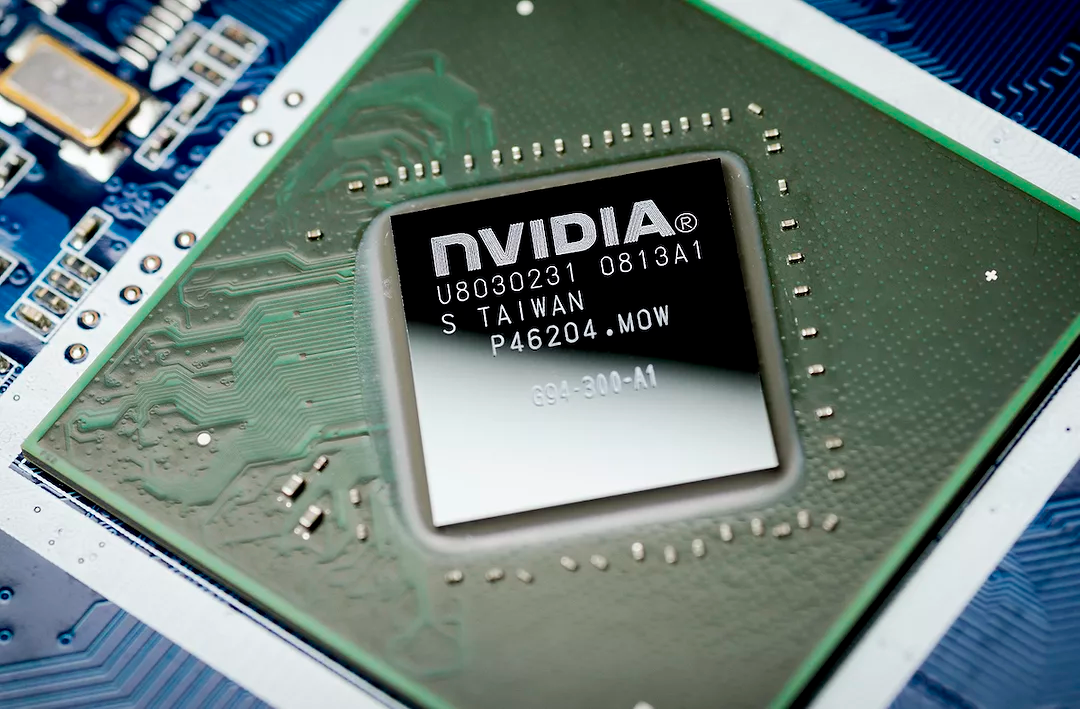
The U.S. administration has added further Chinese firms to the export restrictions list (Entity List) as part of new measures against technology transfer and national security risks. This expansion entails stricter oversight and licensing mechanisms in export controls and licensing processes. The decision's impact is particularly felt in strategic sectors such as semiconductor manufacturing, advanced manufacturing equipment, and critical infrastructure solutions.
Trade with companies added to the list now falls under licensing requirements for products containing U.S.-origin components, software, or technology. This has driven greater emphasis on strategies such as alternative sourcing, product redesign, and tariff engineering in global supply chains. Particularly for products with high U.S. content, Asia- and Europe-based manufacturers are re-examining their supply risk mapping processes.
Companies are attempting to manage compliance costs by updating origin management, HS code, and ECCN classifications. In this context, automated screening systems and compliance platforms have been deployed to monitor trade risks with prohibited entities in real time. These systems track both export licensing requirements and global sanctions databases simultaneously.
In the medium term, these restrictions are strengthening the friend-shoring trend; companies are shifting supply and assembly operations to geopolitically more predictable countries. In particular, OSAT (Outsourced Semiconductor Assembly and Test) and packaging investments are accelerating at the regional level. Additionally, the scope of force majeure, sanctions compliance, and compliance warranty clauses in supply contracts is being broadened. This aims to limit legal and financial risks.
In conclusion, the U.S. Entity List expansion affects not only trade with Chinese firms but also the building blocks of the global technology supply chain. Companies are taking steps to gain flexibility in this complex regulatory environment through risk-driven supply management and compliance technologies.
Key Points:
List expansion is tightening licensing processes.
Semiconductor and advanced equipment sectors are affected.
Risk mapping and origin management are becoming critical.
Automated screening and compliance platforms are being deployed.
Friend-shoring and OSAT investments are accelerating.

