

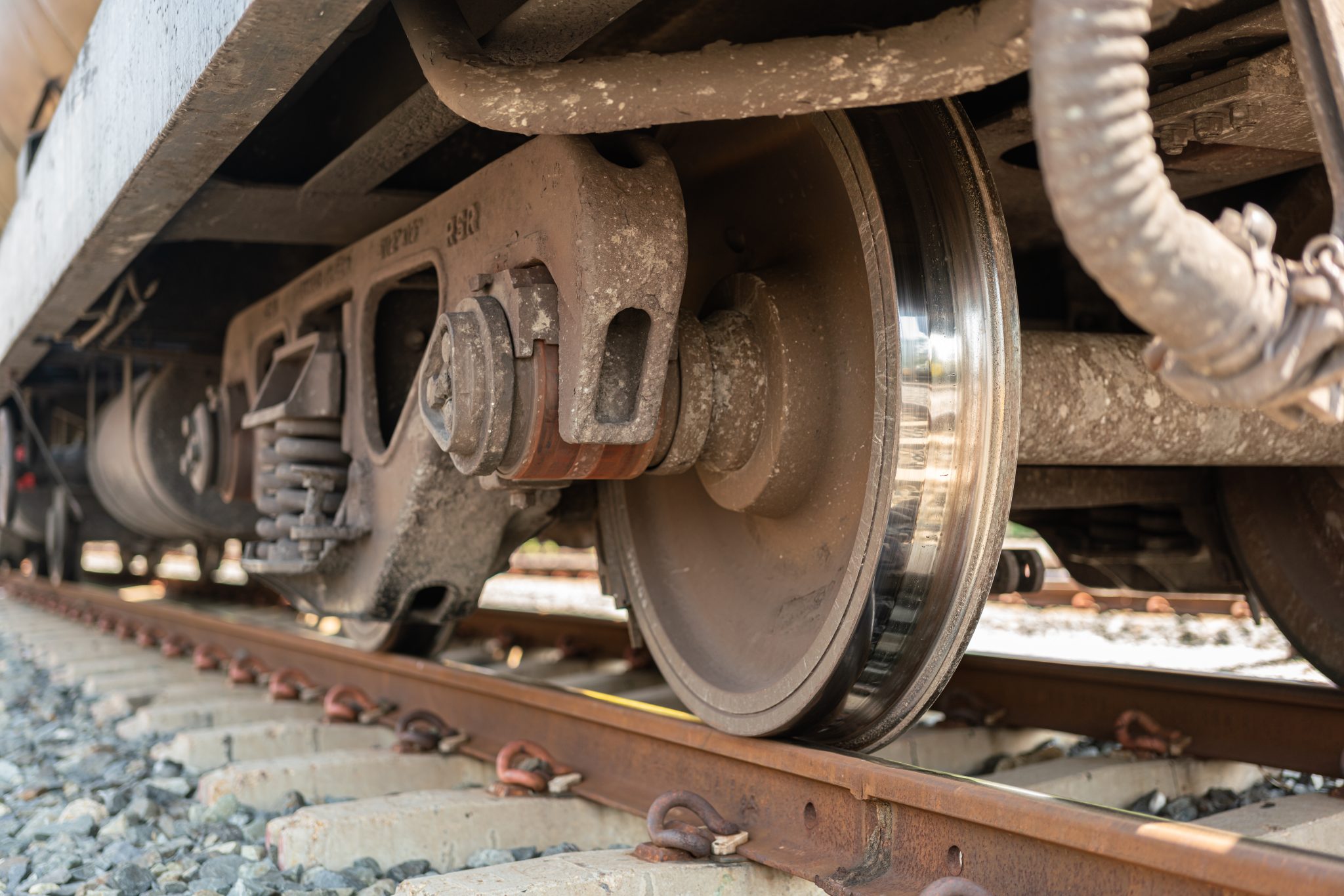
The "broken wheels" regulations, one of the most contentious issues in European rail freight over the past two years, will be completed by year-end. The JNS Broken Wheels Task Force, working under the coordination of the European Railway Agency (ERA), has been working extensively on new safety standards launched following the high-impact derailment accident that occurred in the Gotthard Base Tunnel in 2023.
How did the Gotthard accident start this process?
The derailment that occurred in Switzerland's Gotthard Base Tunnel in August 2023 served as a serious alarm bell regarding wheel safety in freight wagons across Europe. The accident's root cause was identified as metal fatigue and crack propagation in the type of wheel used; subsequently, European countries and operators recognized the need for coordinated reforms in wheel inspections, maintenance procedures, and component certification.
Following this incident, the ERA established a special technical working group within the Joint Network Secretariat (JNS), comprising infrastructure managers, freight operators, and wagon owners: the Broken Wheels Task Force.
What will the new regulations cover?
According to Task Force members, the regulatory package being drafted focuses on four main areas:
1. Tightening of wheel inspection and maintenance requirements
More frequent ultrasonic and magnetic testing,
Mandatory "early detection" algorithms for critical wheel types,
Additional maintenance cycles for high-risk steel grades.
2. Pan-European unified "wheel traceability" system
The new regulations will make individual traceability of wagon wheels mandatory from manufacture through the end of their operational life.
3. Phased withdrawal of risky wheel types
Speed restrictions or complete phase-out schedules are expected to be implemented for certain older wheel models.
4. New responsibilities for railway operators
Mandatory data sharing between wagon owners and infrastructure managers,
Periodic reporting to national safety authorities,
Re-certification of maintenance facilities.
Why is the sector divided?
The cost of these regulations has split Europe's freight transport sector in two:
Concerns:
New wheel testing and maintenance cycles will create millions of euros in additional costs,
Some independent wagon owners will face investment pressure,
Capacity losses may occur during the transition period.
Supporters:
The safety risk is at an intolerable level,
Harmonized maintenance standards within a single market are essential,
Derailments can paralyze European logistics even for a single day.
According to experts leading the effort, the regulations will be implemented on a phased basis between 2026 and 2027 following completion, with compliance mandatory across all of Europe.
High on the EU's safety agenda
These regulations will be aligned with the EU's EU Rail Safety Strategy, which aims to reduce accidents by 30% by 2030. Additionally, the wheel regulations will work in integration with other freight wagon reforms, such as noise reduction, brake modernization, and digital maintenance management.
The Broken Wheels Task Force confirmed that the final version of the regulations will be published before year-end and noted that the draft text has been finalized in line with sector feedback.
Key Takeaways:
New EU "broken wheels" regulations will be completed by the end of 2025.
Foundation: The 2023 Gotthard Base Tunnel accident.
Scope: stricter maintenance, mandatory traceability, phasing out risky wheels.
The sector is divided due to costs.
Implementation will begin phased between 2026 and 2027.
Author: SedatOnat.com
We would be pleased to receive your feedback.
Wishing you happy reading from the start.

