

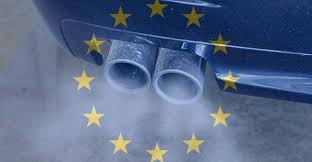
The European Union, in its bid to rebalance climate policies with industrial realities, has withdrawn the regulation that envisioned a complete ban on the sale of new petrol and diesel vehicles by 2035. This decision, taken by the EU Parliament, was shaped by economic pressures on the automotive sector in recent years, supply chain vulnerabilities, and slower-than-expected transition in the electric vehicle (EV) market. The decision presents a more flexible framework aimed at protecting the competitiveness of Europe-based manufacturers in particular.
The withdrawn ban was initially adopted in 2023 and was viewed as the end of internal combustion engine technology. At that time, this regulation, seen as a historic step in environmental policy, was based on achieving zero exhaust emissions in new vehicle sales. However, in the intervening period, automotive manufacturers came under significant pressure due to rising costs, aggressive pricing policies from Chinese manufacturers, and strategic dependencies on battery supply. This situation has led policymakers in Brussels to seek a more pragmatic approach.
Under the new decision, emission targets for automakers have not been completely eliminated. Instead, manufacturers are expected to reduce exhaust emissions from new vehicles by 90 percent compared to 2021 levels as of 2035. While the previously envisioned target of 100 percent reduction has been revised, the remaining 10 percent is planned to be balanced through different compensation mechanisms. Among these mechanisms, carbon offset applications, alternative fuel solutions, and technology-based emission reduction investments stand out.
In remarks on the decision, European Commission industry chief Stephane Sejourne emphasized that the proposed plan serves as a "lifeline" for the European automotive industry. Sejourne stated that the approach is both compatible with economic realities and consistent with long-term climate objectives. This rhetoric demonstrates that the EU has not abandoned its green transition, but aims to make the transition process more manageable.
Environmental organizations, however, are responding harshly to the decision. According to these organizations, the relaxation of the ban on internal combustion engines represents a step backward in combating climate change. Particularly given the symbolic value of the 2035 target, this retreat could send a negative signal on global climate policies, it is argued.
Meanwhile, automotive manufacturers and industry stakeholders have been conducting intense lobbying activities for the past year in this direction. Increasing competition from China, slower-than-expected growth in EV demand in Europe, and inadequate charging infrastructure were decisive in the revision of the regulation. This decision stands out as one of the most notable examples of the EU's tendency to step back on certain environmental legislation throughout 2025.
In conclusion, the decision taken provides breathing room for the European automotive industry in the short and medium term. However, in the long term, how emission reduction targets will be monitored and the extent to which compensation mechanisms will be effective are being closely watched from both industry and environmental policy perspectives.
Key Points
The regulation banning the sale of new petrol and diesel vehicles by 2035 has been withdrawn.
A target of 90 percent emission reduction instead of 100 percent has been set for automakers.
Application of compensation mechanisms is planned for remaining emissions.
The decision aims to support the European automotive sector.
Environmental organizations criticize the regulation from a climate goals perspective.
China-based competition and sluggish progress in EV transition were among the key justifications for the decision.
Author: SedatOnat.com
We would be happy to hear your feedback.
Wishing you happy reading from now on.

